Pad Thai aus der Schnellbratpfanne – dein kulinarisches Erlebnis

Pad Thai from the frying pan – your culinary experience

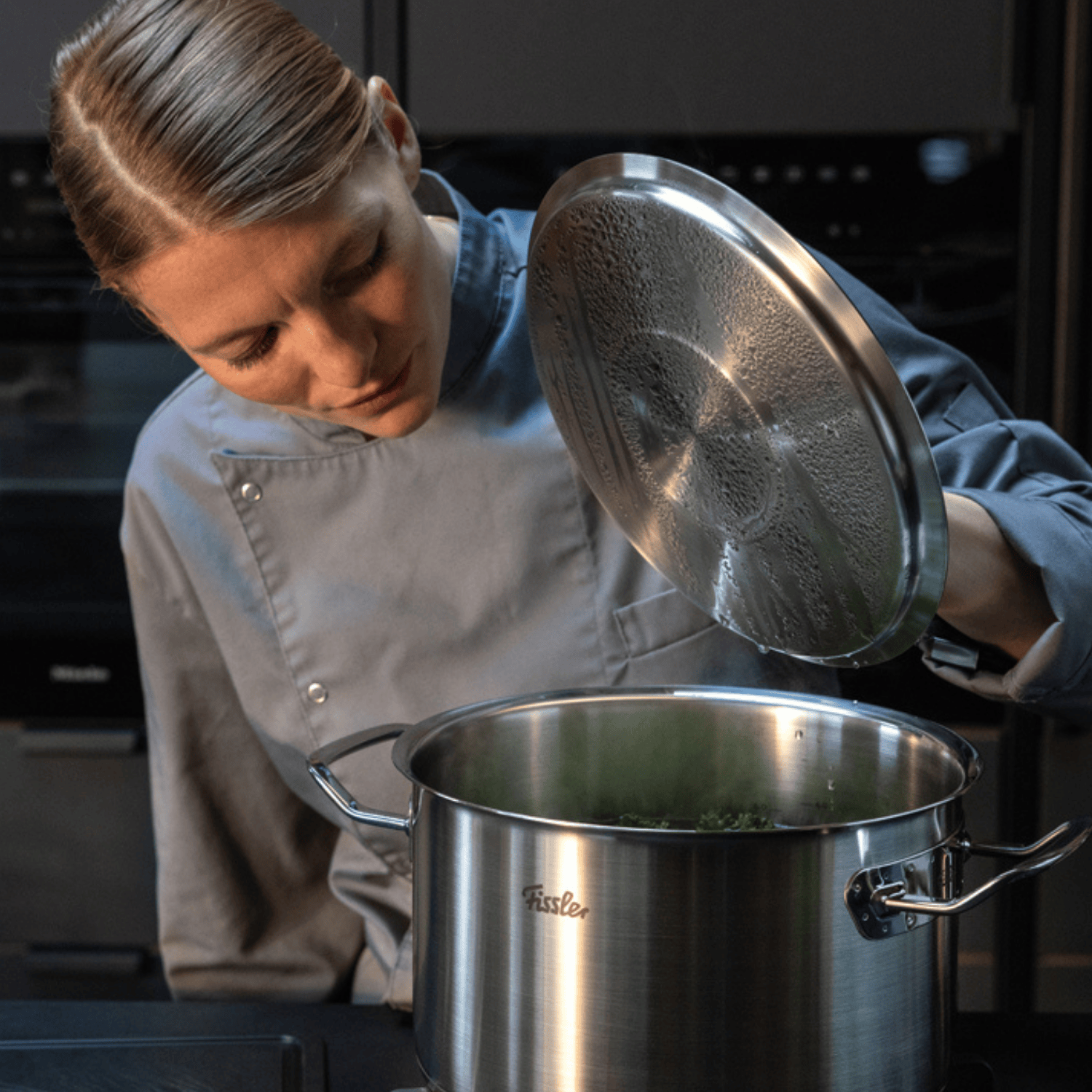
Cooking is your journey. Every move, every heat, every ingredient counts – you feel it. With the high-pressure frying pan, you bring professional quality right to your stovetop. You feel the intense heat. You smell the aromas. You see everything come together.

Here, cooking becomes your moment. Whether searing or gently simmering: every movement is crucial. You control the heat. You shape the flavors. You set the rhythm.

Make this Pad Thai recipe your highlight. Let your frying pan be your companion. Experiment. Perfect. Show what you can do. Experience how ingredients transform into an experience that only you can create.

The planning

Consciously chosen. Prepared with care.

Good food starts with shopping. Savor the moment of anticipation as you consciously select the best ingredients. For this Pad Thai recipe, quality isn't an option – it's the foundation for everything tasting exactly as you envision it. When the ingredients are right, cooking in a pressure fryer becomes an experience. Every step is guided by your intuition, your vision, your decisions.

You shape the dish – tangible craftsmanship that brings joy.

The ingredients

  • 300g corn-fed chicken breast
  • 200g rice noodles (made from 100% rice)

The Umami Triad

  • 1 jar of tamarind paste (no added sugar)
  • 1 bottle of fish sauce
  • 1 block of palm sugar

Freshness & Crunch

  • 1 bunch of Thai chives (Gui Chai)
  • 100g fresh mung bean sprouts
  • 2 organic eggs
  • 50g unsalted butter
  • 2 organic limes
  • 1 shallot

The preparation

Get ready for your Pad Thai moment

In a pressure fryer, every second counts. Once the pressure is built up, there's no time to cut.

Mise en Place in 5 Steps

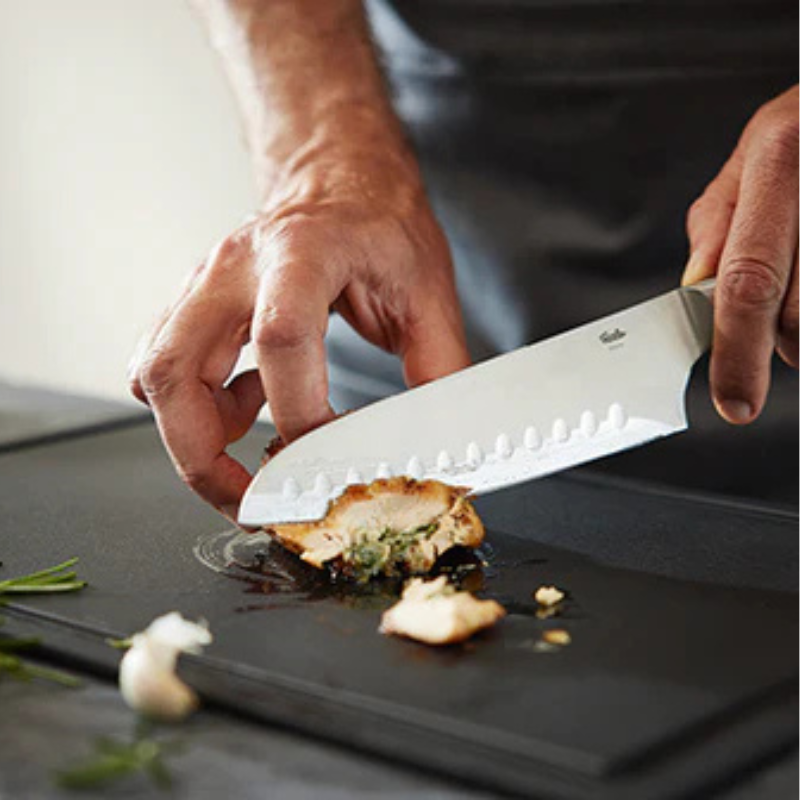
  • Chicken cut: Slice the meat into paper-thin, almost transparent slices (tranches) across the grain. This keeps it nice and tender.
  • The sauce: Mix 4 tablespoons of tamarind paste, 3 tablespoons of fish sauce and 2 tablespoons of finely grated palm sugar.
  • Tip: Add a teaspoon of water to prevent the sugar from caramelizing on the bottom of the frying pan.
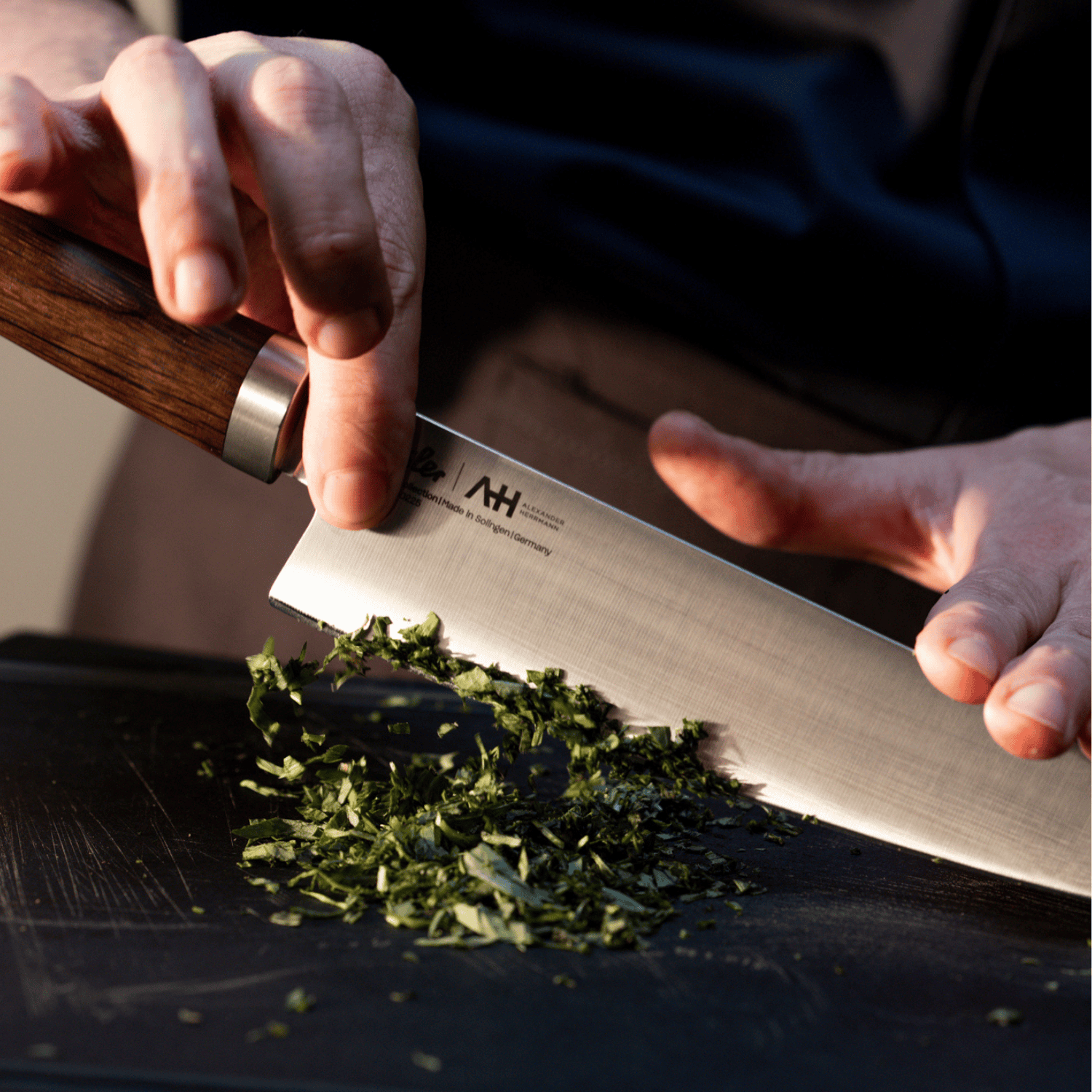
  • Aromatics: Finely dice the shallot and garlic. Cut the Thai chives into exactly 4 cm long pieces.
  • Peanut finish: Roast the peanuts in a frying pan (without oil) until fragrant. Then grind them into a fine flour using a mortar and pestle.

The preparation

Ready, Set, Cook!

Your moment has arrived. Now your most important tool comes into play: the frying pan. You feel the heat, hear the sizzle, and see your prepared ingredients come to life. Every move counts. Every movement shapes the flavor. Be fully present in the moment – ​​focused and ready. Now your perfect Pad Thai is taking shape.

35 min

Total Time

10 min

Cooking Time

25 min

Preperation Time

Ingredients

300g Corn chicken breast
200 g Rice ribbon noodles (made from 100% rice)
THE UMAMI TRIAS:
1 jar Tamarind paste (no added sugar)
1 bottle Fish sauce
1 block Palm sugar
FRESHNESS & CRUNCH:
1 bunch Thai chives (Gui Chai)
100 g fresh mung bean sprouts
2 Organic eggs
50 g unsalted butter
2 Organic limes
1 Shallot

preparation

Schritt 1 von 9:


Hähnchenschnitt: Schneide das Fleisch in hauchdünne, fast transparente Scheiben (Tranchen) quer zur Faser. So bleibt es schön zart.

Schritt 2 von 9:


Die Sauce: Die Sauce: Mische 4 EL Tamarindenpaste, 3 EL Fischsauce und 2 EL fein geriebenen Palmzucker. Tipp: Gib einen TL Wasser hinzu, damit der Zucker im Schnellbratpfanne nicht am Boden karamellisiert.

Schritt 3 von 9:


Aromaten: Würfel Schalotte und Knoblauch extrem fein. Schneide den thailändischen Schnittlauch in exakt 4 cm lange Stücke.

Schritt 4 von 9:


Erdnuss-Finish: Röste die Erdnüsse in der Schnellbratpfanne (ohne Öl), bis sie duften. Danach im Mörser zu einem feinen Mehl zerstoßen. Extra-Tipp: Lege die Nudeln bereits 45 Minuten vor dem Kochen in kaltes Wasser, um die Zellstruktur zu erhalte.

Schritt 5 von 9:


Anbraten (offen): Erhitze die Schnellbratpfanne offen auf hoher Stufe. Gib 2 EL neutrales Öl hinein und warte, bis es leicht schimmert. Lege die Hähnchen-Tranchen flach und portionsweise ein. Brate sie 10-15 Sekunden pro Seite, bis sie außen Farbe bekommen, innen aber noch roh sind. Genau so sollen sie sein. Nimm das Fleisch sofort aus der Pfanne und stelle es beiseite. Reduziere die Hitze leicht und gib Schalotten und Knoblauch hinein. Dünste sie maximal 30 Sekunden, bis sie glasig sind

Schritt 6 von 9:


Schichten: Gieße die vorbereitete Tamarinden-Fischsauce-Palmzucker Mischung in die Pfanne. Sie soll leicht blubbern, aber nicht karamellisieren. Lege die abgetropften Reisbandnudeln flach in die Pfanne und verteile sie gleichmäßig. Beträufle sie anschließend mit ca. 50 ml Wasser. Lege das angebratene Hähnchen als oberste Schicht auf die Nudeln. Nicht mischen, damit das Fleisch ausschließlich im Dampf gart und saftig bleibt.

Schritt 7 von 9:


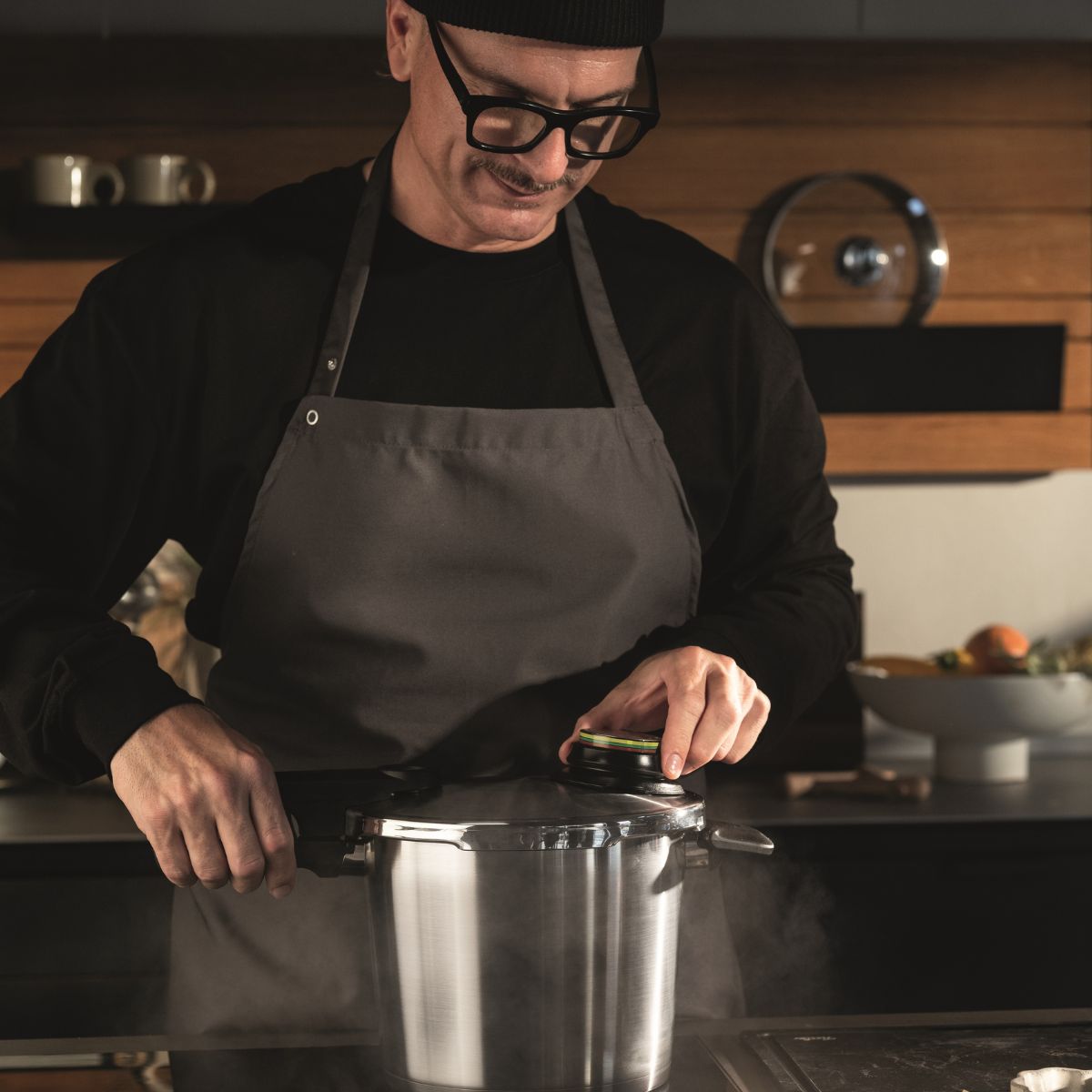
Druckphase: Verriegle den Deckel. Stelle die Schnellbratpfanne auf Druckstufe 1 (niedrig). Sobald der Druckring sichtbar wird: Hitze sofort auf das Minimum reduzieren und 45 Sekunden halten. In dieser Phase passiert alles: Die Nudeln nehmen Sauce auf, das Hähnchen gart punktgenau, Tamarinde, Fischsauce und Palmzucker verbinden sich.

Schritt 8 von 9:


Druck ablassen & Finish: Lasse den Druck manuell und sofort ab. Vorsicht vor dem Dampf. Öffne den Deckel und schiebe die Nudeln zur Seite, um eine freie Fläche in der Pfanne zu schaffen. Schlage die Eier direkt hinein und lasse sie kurz stocken, aber nicht komplett durchziehen. Hebe die Eier, die Mungbohnensprossen und den thailändischen Schnittlauch locker unter die Nudeln.

Schritt 9 von 9:


Finaler Geschmackstest: Schmecke ab und verfeinere, falls nötig: Fehlt Säure? Dann füge ein Spritzer Limette hinzu. Fehlt Tiefe? Dann verfeinere das Pad Thai mit ein paar Tropfen Fischsauce. Extra-Tipp: Falls nach dem Öffnen noch zu viel Flüssigkeit in der Pfanne ist, schalte die Sauté-Funktion für 30 Sekunden hoch. Die Stärke der Nudeln bindet die Sauce in Sekunden.

The presentation

Precision, presentation, perfection.

Now comes the moment when the intense aroma and contrasts of your Pad Thai become visible. Every movement is a decision. Every touch shapes the visual presentation. Instead of simply plating the dish, you are now creating an aesthetic that reflects the precision of your work at the stove.

My tips

  • Tip #1: The Nest: Take a long meat fork, twist a portion of noodles and place them in the middle of the plate as a tall "nest".
  • Tip #2: The accents: Arrange the chicken slices in a circle on the nest.
  • Tip #3: The texture: Sprinkle the peanut dust like a fine "sandy beach" on one side of the plate.
  • Tip #4: The acid: Halve a lime and briefly sear the cut side in a pan until it's black and brown. Place this seared lime at the edge of the table.

Your moments