Step 1 of 10:
Prepare the asparagus: Divide the spears into two bundles and tie them so all the tips are level. Trim exactly 2 cm off the ends and set them aside for the stock.
Step 2 of 10:
Clarify the butter: Heat the butter slowly until it turns golden brown and smells nutty. Pour it off immediately and let it cool slightly - this is the base for a stable hollandaise.
Step 3 of 10:
Prepare the aromatics: Pick the tarragon leaves and chop finely. Zest the blood orange and reduce the juice separately until intense.
Step 4 of 10:
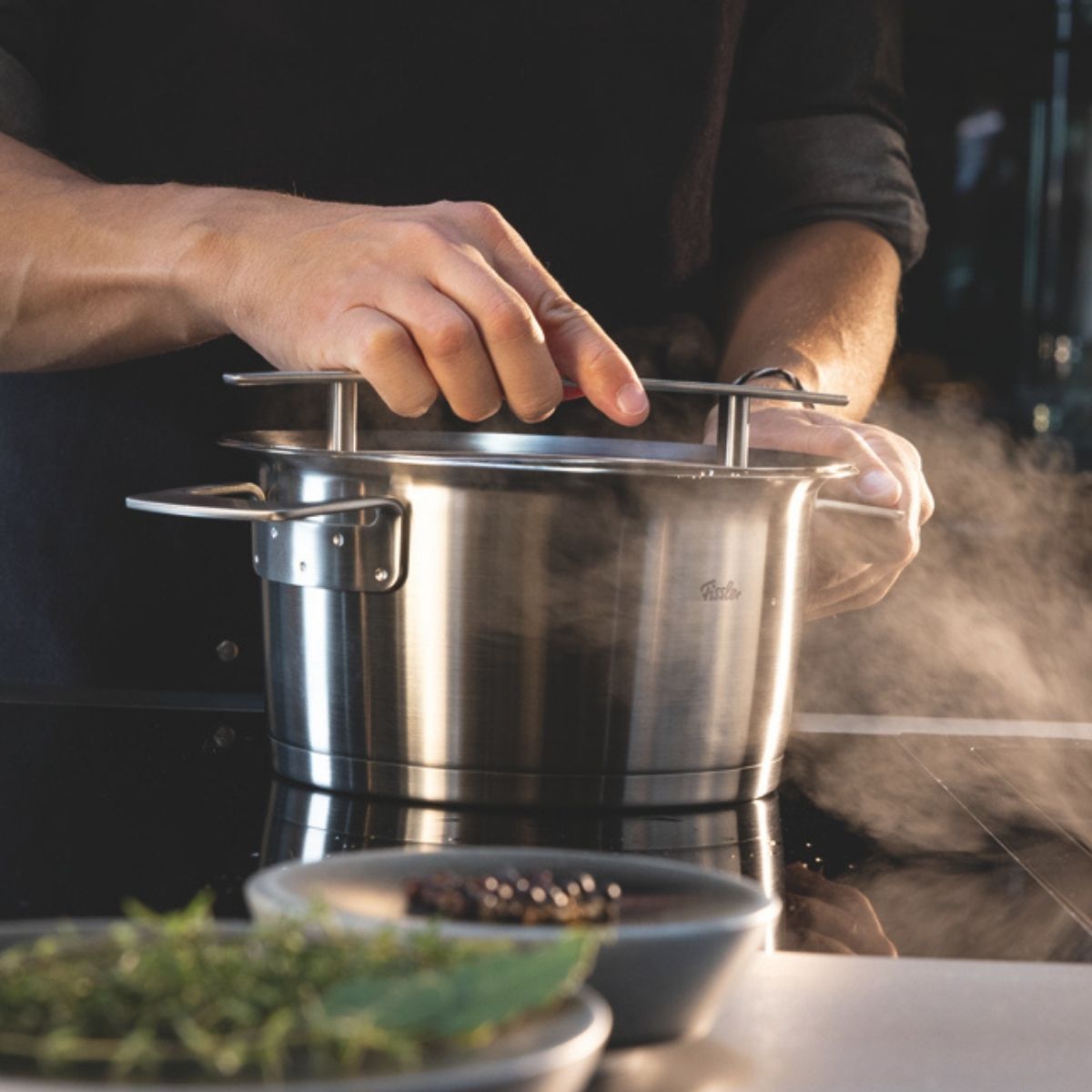
Set up the water bath: Gentle heat. No boiling. This is where the emulsion will come together later. In this Moment, you know: you are ready to make a homemade hollandaise that won’t split, won’t curdle - but will hold beautifully.
Step 5 of 10:
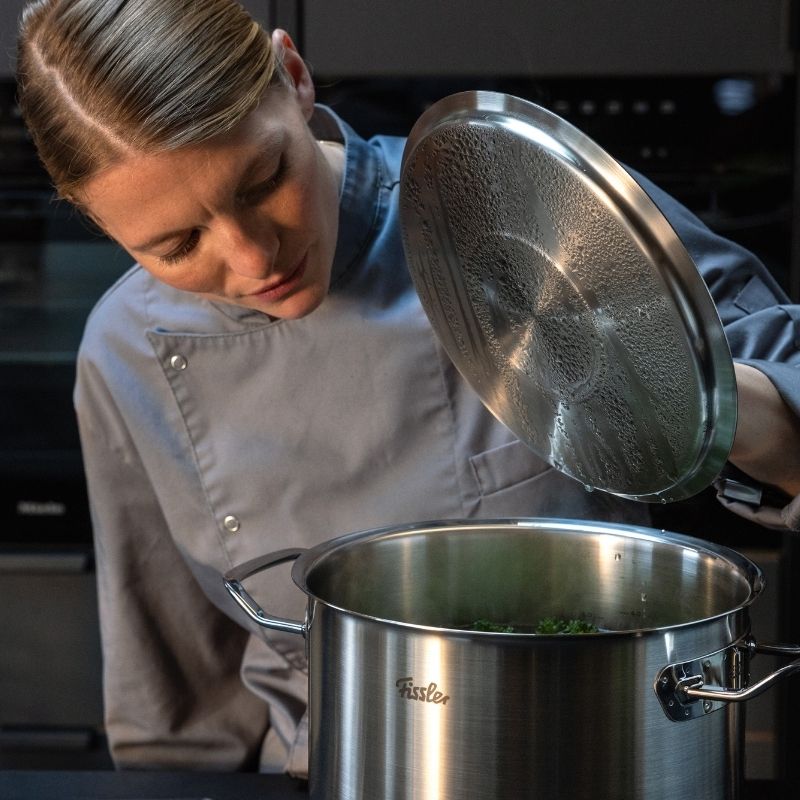
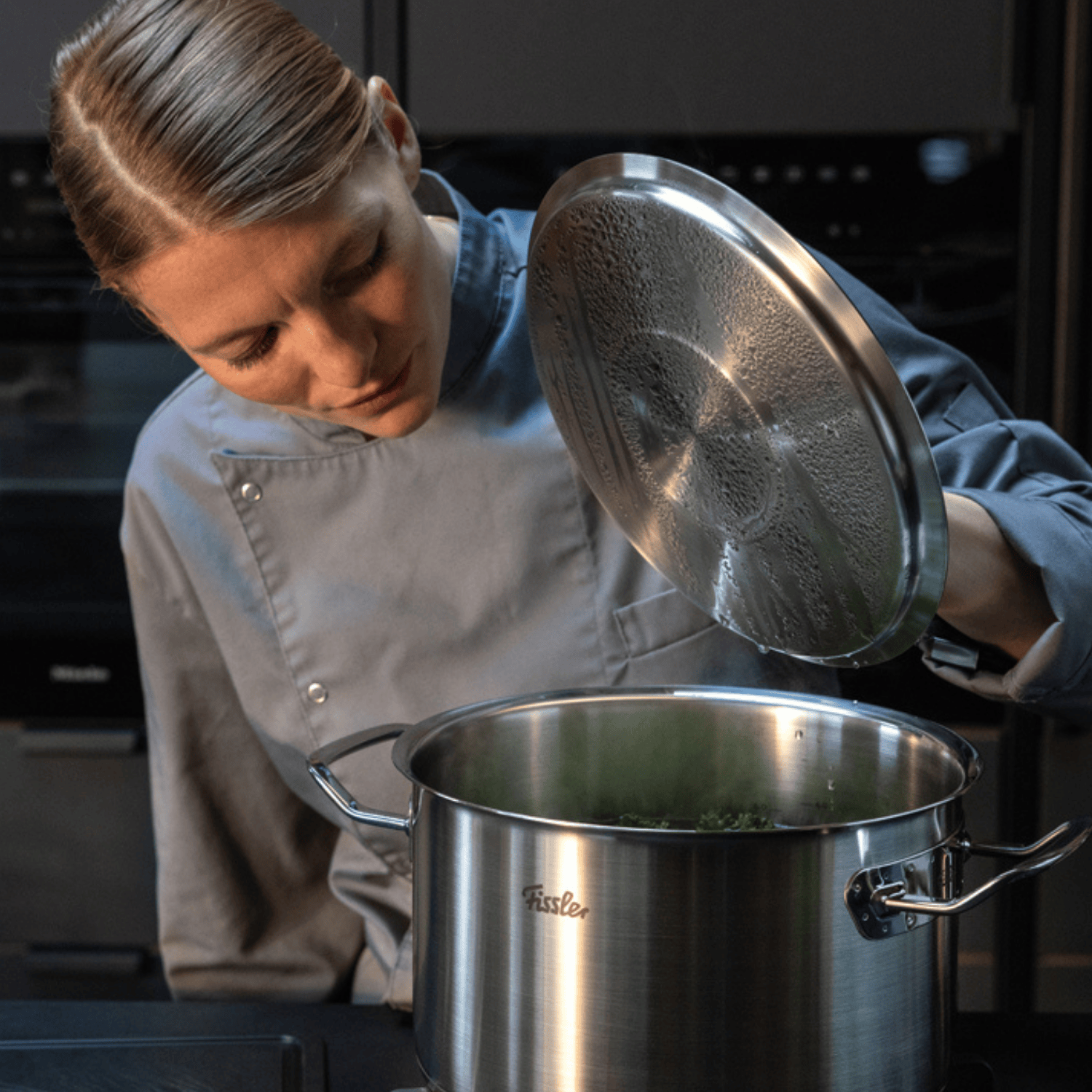
The asparagus stock: This stock is your foundation. Take your time with it. Bring water to a simmer in a wide pot and season it with salt, sugar cubes, and 1 tbsp. butter. Add the asparagus trimmings and let everything infuse for 20 minutes. No rapid boiling - you want to draw out the flavours, not tear them apart. Remove the trimmings and gently place the bundled asparagus spears into the pot. The tips must be fully covered so they cook evenly. Think one step ahead now: ladle off 100 ml of hot stock and keep it ready. It is the key to your hollandaise and Manchego cream.
Step 6 of 10:
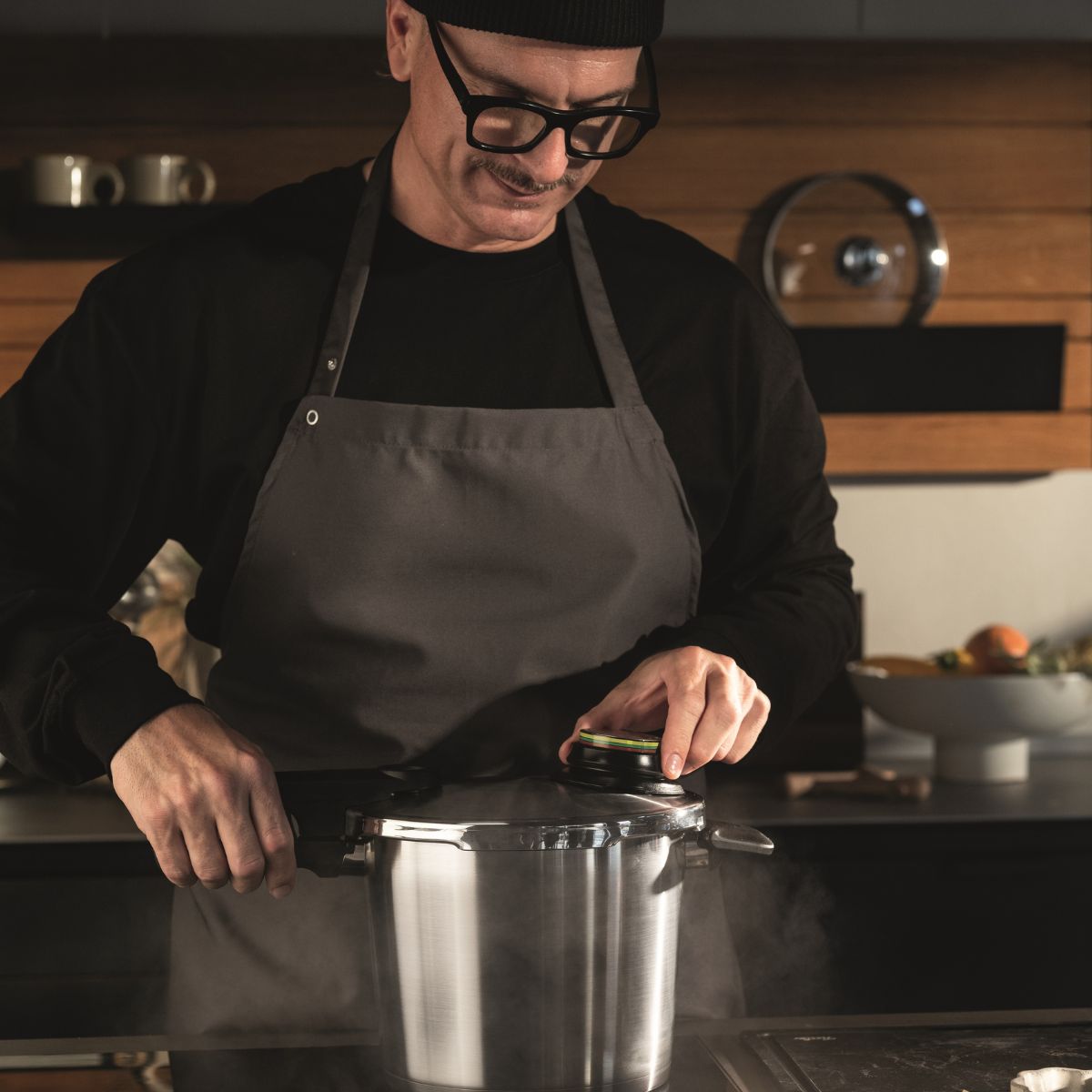
Clarify the butter: A good hollandaise begins long before the egg yolk. Heat 125 g butter slowly and without stirring. Watch as the milk solids settle and the butter turns golden brown. As soon as it smells nutty, remove it from the heat immediately. Pour it through a fine sieve and let it rest briefly. It should be warm, not hot. This Moment decides stability and depth.
Step 7 of 10:
The orange: Reduce the orange juice until syrupy. This is where concentration happens, not sweetness. Briefly blanch the orange zest in hot water, drain, and pat dry. This keeps the freshness without the bitterness. Set both aside within easy reach.
Step 8 of 10:
The hollandaise: Your focus counts now. Whisk the egg yolks in a metal bowl. Work in 50 ml of hot asparagus stock and place the bowl over a gentle water bath. The water must not boil. Whisk the mixture constantly until it increases noticeably in volume. Now work in the clarified butter, spoonful by spoonful. Only when everything has come together do you add the next spoonful. Season with salt and a touch of cayenne. Stir in the reduced orange juice and the zest. The tarragon goes in right at the end. Your sauce is perfect when it stands creamy and coats the spoon.
Step 9 of 10:
Manchego cream: The deliberate counterpoint - this cream is not an extra, it gives depth. Bring the cream to the boil and reduce it by half. Add 50 ml of asparagus stock and let everything infuse briefly. Blend the mixture with the finely grated Manchego until smooth. The consistency should be soft: spoonable, not heavy
Step 10 of 10:
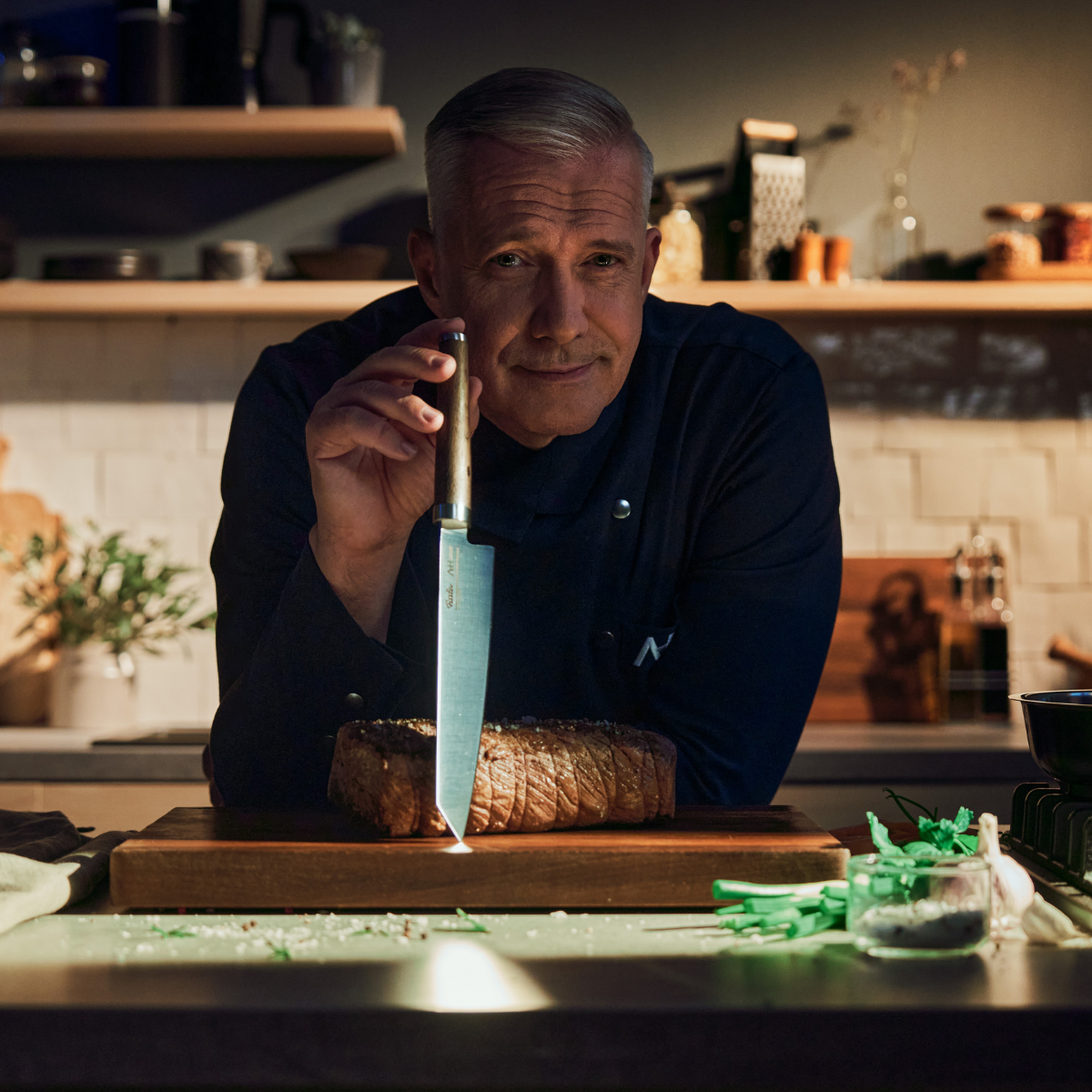
Check doneness: Pierce the asparagus tip with a knife. If it slides in without resistance, you are exactly right. Lift the asparagus out carefully, untie the strings, and let it drain briefly. Now everything is ready for the next Moment: the Serve.