

Handwerk Topinambur: Vom feinen Aroma zur kulinarischen Präzision in der Küche

Topinambur: From Fine Aroma to Culinary Precision in the Kitchen

Some ingredients don't need a big stage. They impress quietly - through character rather than volume. Jerusalem artichoke is exactly one of these vegetables. Beneath its thin, slightly knobbly skin lies a blend of flavors that surprises: nutty, slightly sweet, and supported by subtle earthy notes. Add to that a freshness that faintly recalls artichokes and gives the tuber its unmistakable character. What makes Jerusalem artichoke special is not intensity, but its exceptional balance.

Jerusalem artichoke is convincing not only for its flavor. When cooked, too, the tuber follows its own path. Those who understand how it reacts to heat discover an ingredient that is far more than an alternative to potatoes - and that is exactly where its culinary appeal lies.
What is Jerusalem artichoke?

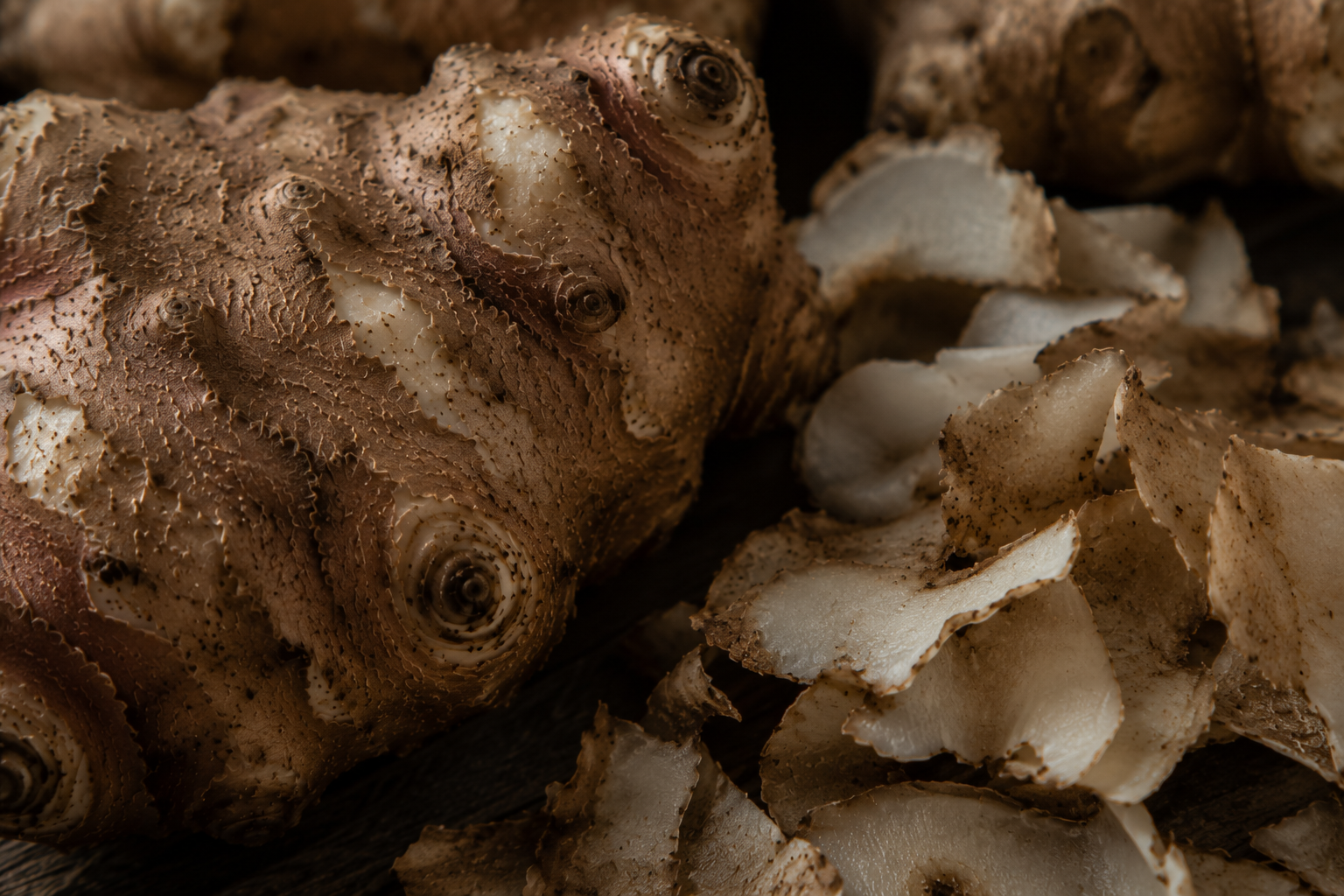
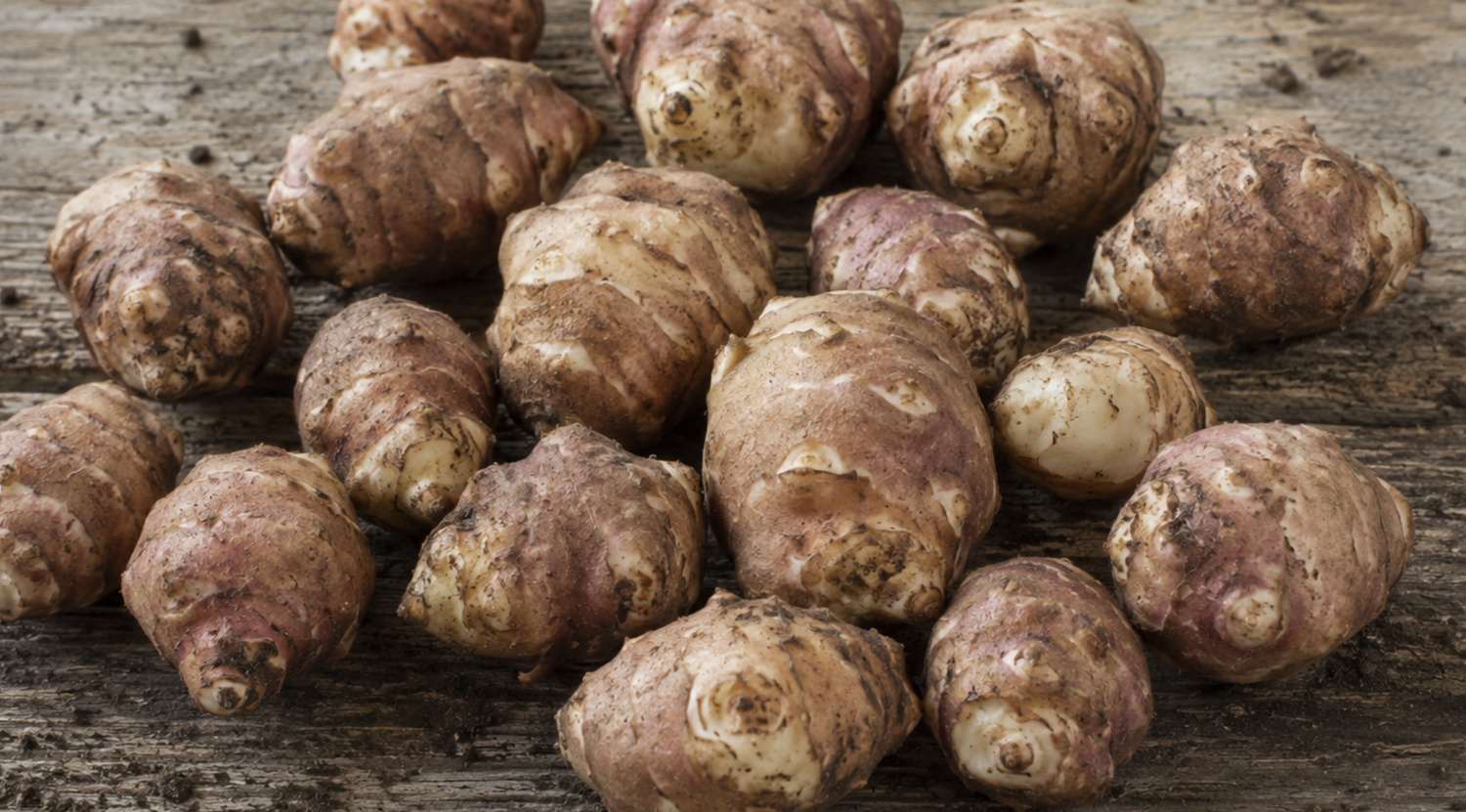
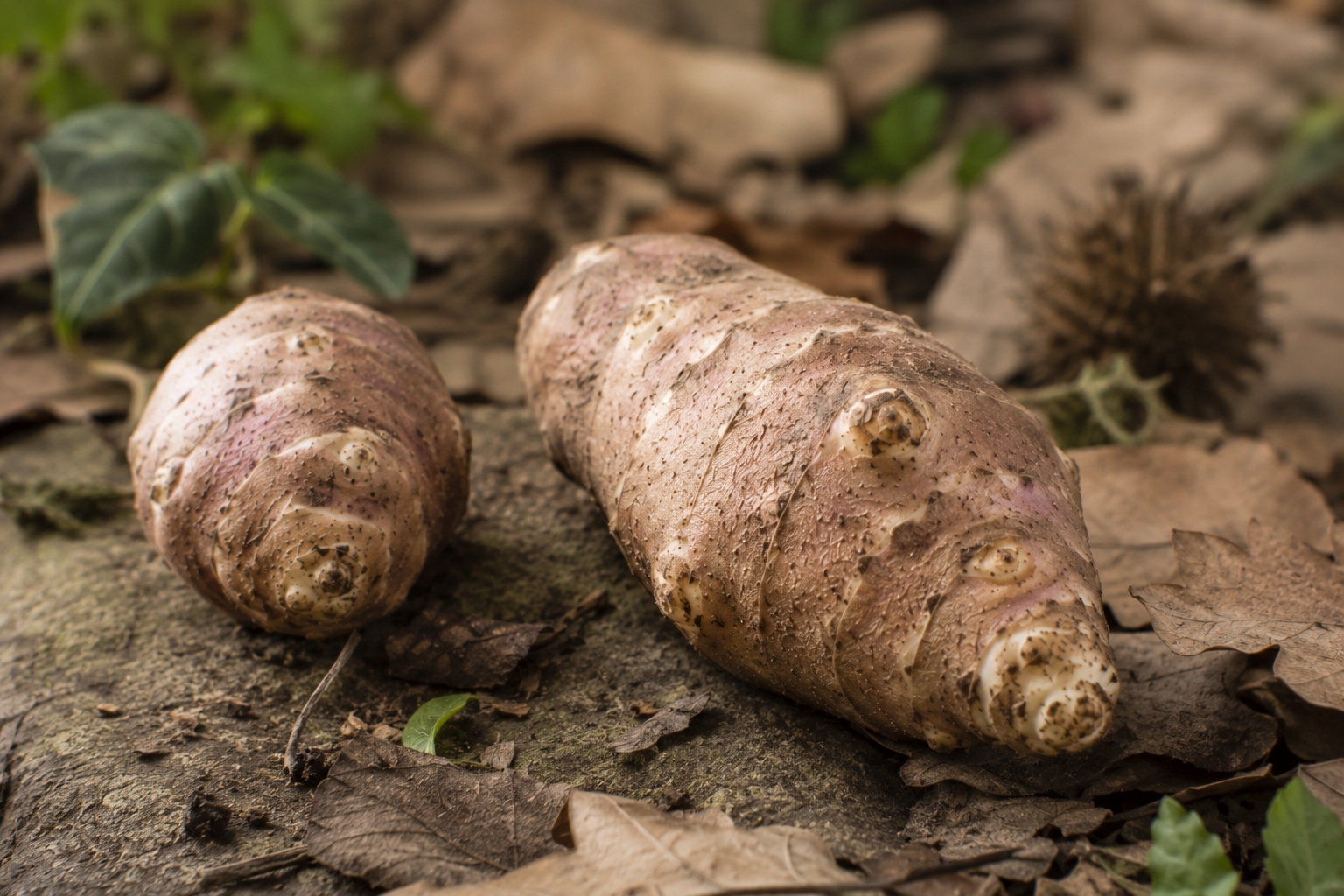
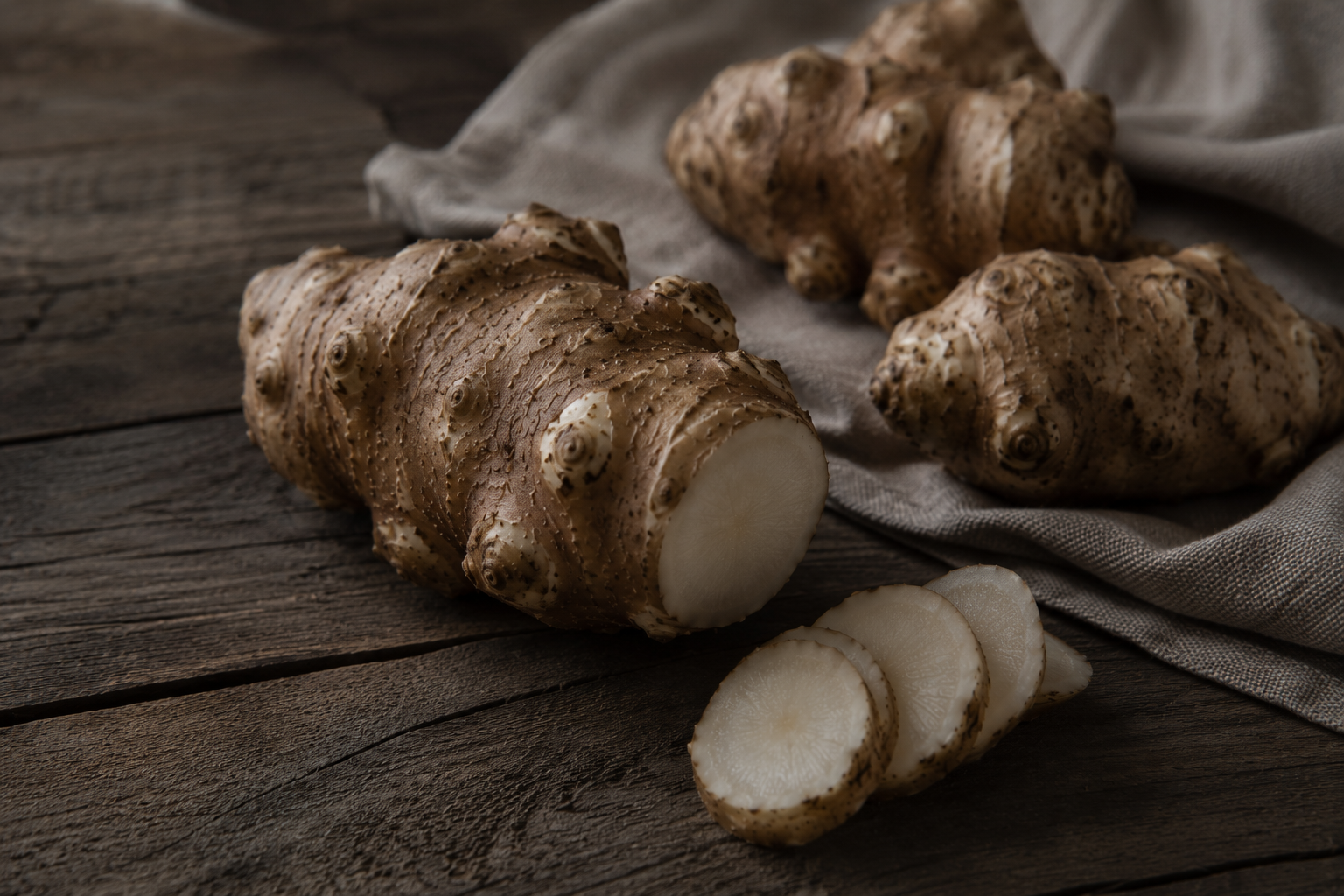
At first glance, Jerusalem artichoke seems almost unremarkable. Its irregular shape reminds many people of ginger, and its thin skin often still bears fine traces of soil. Yet behind this rustic appearance lies one of the most exciting tubers in European cuisine.

Botanically, Jerusalem artichoke bears the name Helianthus tuberosus and belongs to the daisy family. This makes it more closely related to the sunflower than to the potato. It is not the root that is eaten, but the tuber that grows underground, storing valuable reserves during the growing season while developing its characteristic aroma.

The name earth artichoke points to its similarity in taste to the artichoke, while the term Indian tuber recalls its long history as a cultivated plant of the indigenous peoples of North America. It is precisely this combination of tradition, naturalness, and delicate aroma that makes Jerusalem artichoke once again a prized ingredient in sophisticated kitchens today.

Jerusalem artichoke at a glance

Botanical Name

Helianthus tuberosus

Additional designations

Jerusalem artichoke, earth artichoke, Indian tuber

Origin

North America

Season

October to February

Edible raw

Yes

Taste

Nutty, lightly sweet, and delicately earthy

The distinctive flavor profile: What Jerusalem artichoke tastes like

There are ingredients whose flavor can be identified instantly. Jerusalem artichoke is not one of them. Its aromas unfold in delicate layers – and that’s exactly what makes it so fascinating.

The first impression is shaped by a pleasant sweetness. It is less reminiscent of sugar and more of chestnuts or fresh hazelnuts. This is followed by gentle earthy nuances and a pleasant freshness that many associate with artichokes. The result feels light and balanced, never heavy or overpowering.

Unlike potatoes, Jerusalem artichokes do not rely on starch for their appeal. Their aroma
remains surprisingly present even after cooking. Roasting also brings out delicate caramel notes that highlight the tuber’s nutty character even more. This gives it greater depth without losing its lightness.

Potato

Mild and understated

Floury or waxy

Sweet potato

Distinctly sweet

Creamy

Jerusalem artichoke

Nutty, lightly sweet, and earth

Juicy and delicate

Peel it or not? Often the best flavor is right under the skin

Jerusalem artichokes don’t require perfectionism — just a delicate touch. Young tubers have a fine, tender skin,
which can easily be eaten too. Usually, a thorough scrub under running water is enough. That preserves exactly what makes Jerusalem artichokes special: the delicate nutty notes that originate just beneath the skin.

Only with larger or longer-stored specimens is thin peeling worth it. One simple rule applies: as little as possible, as much as necessary. If you’re too generous, you take away some of the tuber’s character.

Once cut, Jerusalem artichokes react to oxygen like apples or potatoes and discolor slightly. A quick bath in cold water with a little lemon juice preserves their light color until the tuber finds its place in the pan.

Can you eat Jerusalem artichokes raw?

Yes. Raw, Jerusalem artichoke shows its freshest side: crisp, slightly nutty, with delicate hints of artichoke. Young tubers are usually just brushed thoroughly clean. A little lemon juice helps prevent discoloration.

Preparing Jerusalem artichokes: The art lies in understanding

Jerusalem artichoke doesn’t need complicated recipes. It needs attention. Unlike the potato, this tuber
contains only a little starch. That allows it to develop a character all its own when cooked. It stays pleasantly juicy, while delicate roasted aromas form on the surface, subtly enhancing its natural sweetness. It’s exactly this interplay that makes Jerusalem artichoke so exciting.

Not every cooking method tells the same story. Sometimes the focus is on fresh lightness, sometimes on the gentle depth of roasted aromas. Both begin with the right level of doneness.

Cook Jerusalem artichokes

When cooking, the goal is not to make the tuber as soft as possible. The aim is
a texture that yields but still keeps a little bite. That way, Jerusalem artichoke stays vibrant — and that’s exactly what makes it so interesting on the plate.

Very small bulbs

15 - 20 minutes

Halved Tubers

12 - 25 minutes

Dice

8 - 12 minutes

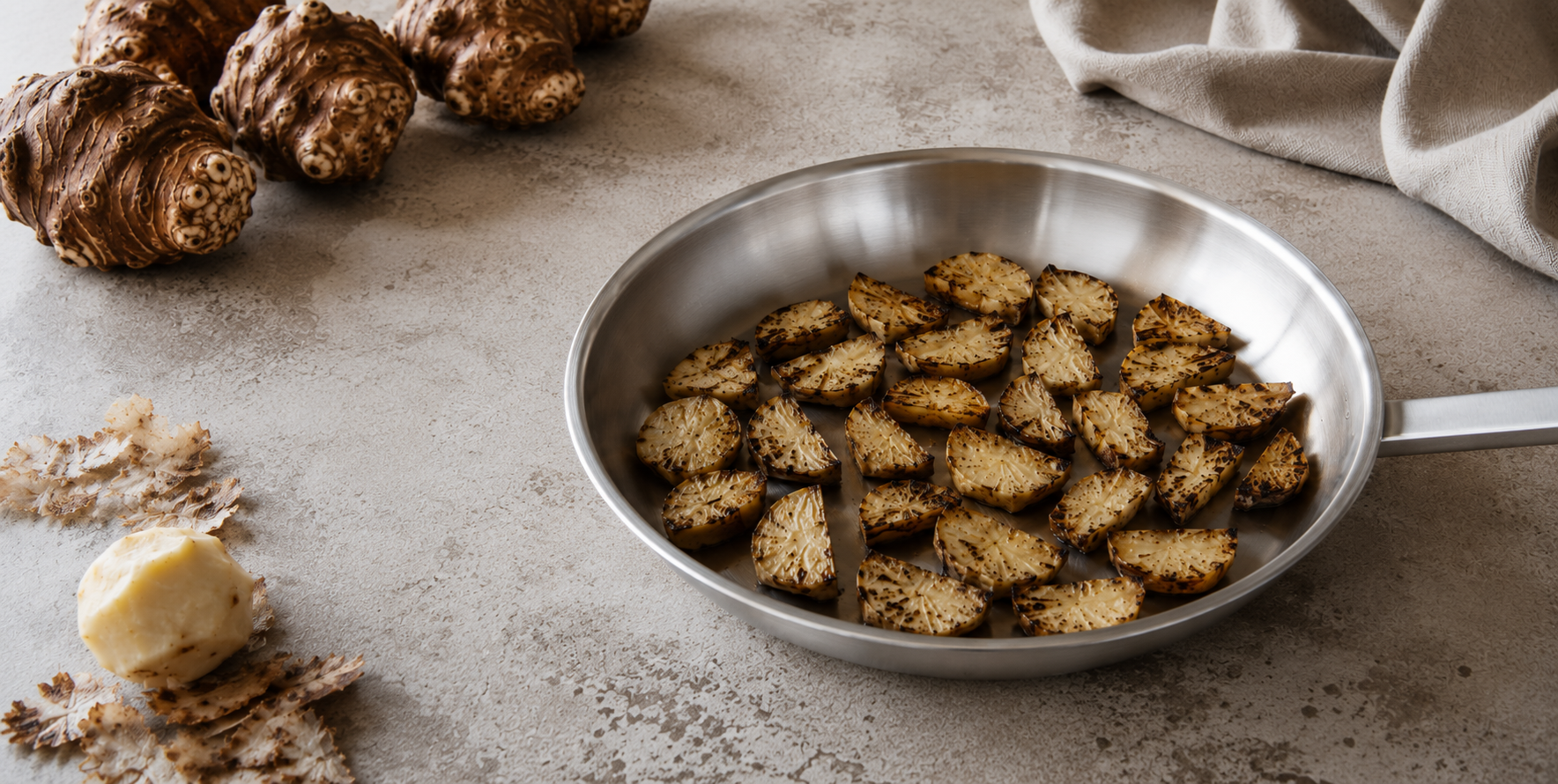
Pan-roasted Jerusalem artichokes

When roasted, Jerusalem artichoke shows what it’s made of. The heat brings out its natural sweetness, while delicate nutty notes
gain depth and the surface develops a golden-brown crust that gives the tuber even more character.

To make that happen, it comes down to three simple steps:

Add to a dry pan

After washing, carefully pat the potatoes
dry. This is the only way to achieve
even browning instead of
steam.

Enough space

The pieces should be cut as evenly
as possible and should not
overlap. This allows each
side to roast evenly.

Be patient when turning

In a well-preheated stainless steel pan, first fry the Jerusalem artichoke without disturbing it. Turn it only once a golden-brown crust has formed.

Culinary Synergies: Ingredients That Perfect Jerusalem Artichoke

Jerusalem artichoke never pushes itself to the forefront. Instead, it creates connections. It brings flavors together, balances contrasts, and gives dishes a subtle depth without overpowering them.

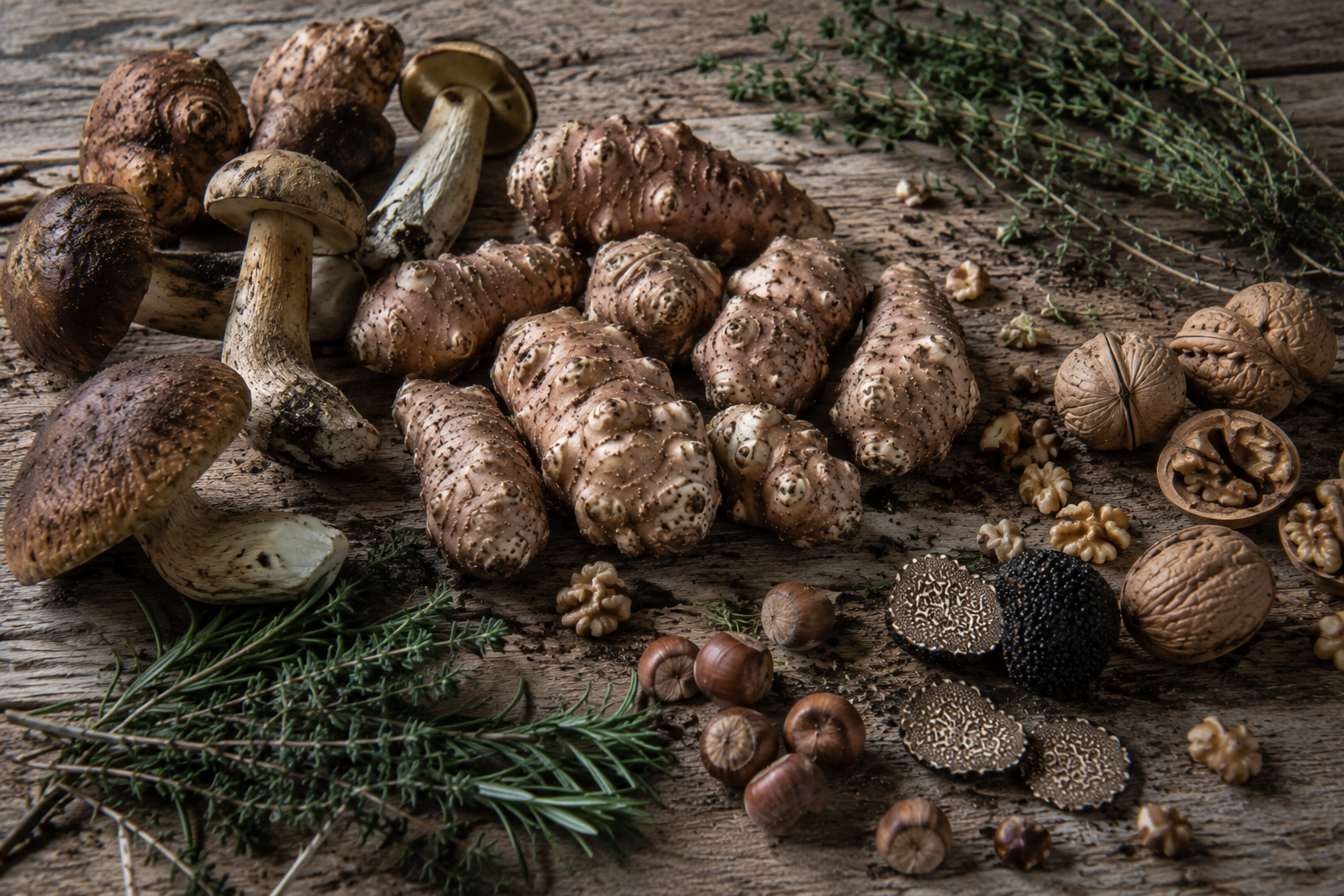
The tuber is especially harmonious with ingredients that highlight its natural
sweetness and nutty notes.

Classic

  • Brown butter and fresh sage
  • Hazelnuts or walnuts
  • Thyme and rosemary
  • Aged Parmesan or Comté

Elegant

  • Black truffle
  • Porcini mushrooms
  • Scallops
  • Veal or poultry

Store Jerusalem artichokes properly

Jerusalem artichoke is one of those vegetables that show freshness right away. The longer the tuber is stored, the more moisture
it loses – and with it, some of its delicate texture.

Jerusalem artichoke keeps best when stored cool and slightly moist. In the vegetable drawer of the refrigerator, it stays fresh for several days. A loose paper bag or a lightly damp cloth also helps protect it from drying out.

Jerusalem artichoke is at its very best, however, when little time passes between purchase and preparation. Then the tuber is firm, aromatic, and ready to reveal its full potential.

Can you freeze Jerusalem artichokes?

Yes. Before freezing, Jerusalem artichoke should be blanched for two to three minutes and then plunged into ice water. This helps preserve its flavor and color. After thawing, the tuber is especially suitable for soups, purées, or oven dishes.

Discover more cooking tips & moments

Real stories, authentic dishes. From simple everyday moments to special chef’s highlights - get inspired by Cooking Journeys and cooking tips.