Preparing Chestnuts: The Art of Getting the Cooking Technique Right

The appeal of chestnuts only comes into its own with heat and craftsmanship. Cooking transforms this firm, rather unyielding fruit into something remarkably versatile: creamy and smooth, with nutty depth and a delicate natural sweetness that gives dishes surprising substance.

Whether chestnuts ultimately serve as a velvety base or shine as a distinctive solo act depends on the method. Preparing chestnuts means working carefully with moisture and cooking times, while bringing out their roasted aromas.

Preparing Chestnuts: Precision at the Raw Ingredient Stage

Quality on your plate starts with choosing the right raw ingredients. A fresh, flawless chestnut feels noticeably heavy for its size. Its smooth shell fits snugly around the dense flesh, leaving no gaps. Soft spots, boreholes or musty smells are signs of moisture loss or improper storage. 

After rinsing under cool water and drying thoroughly, score the shell to let the heat penetrate.

Score chestnuts: The trick to a perfect sponge cake

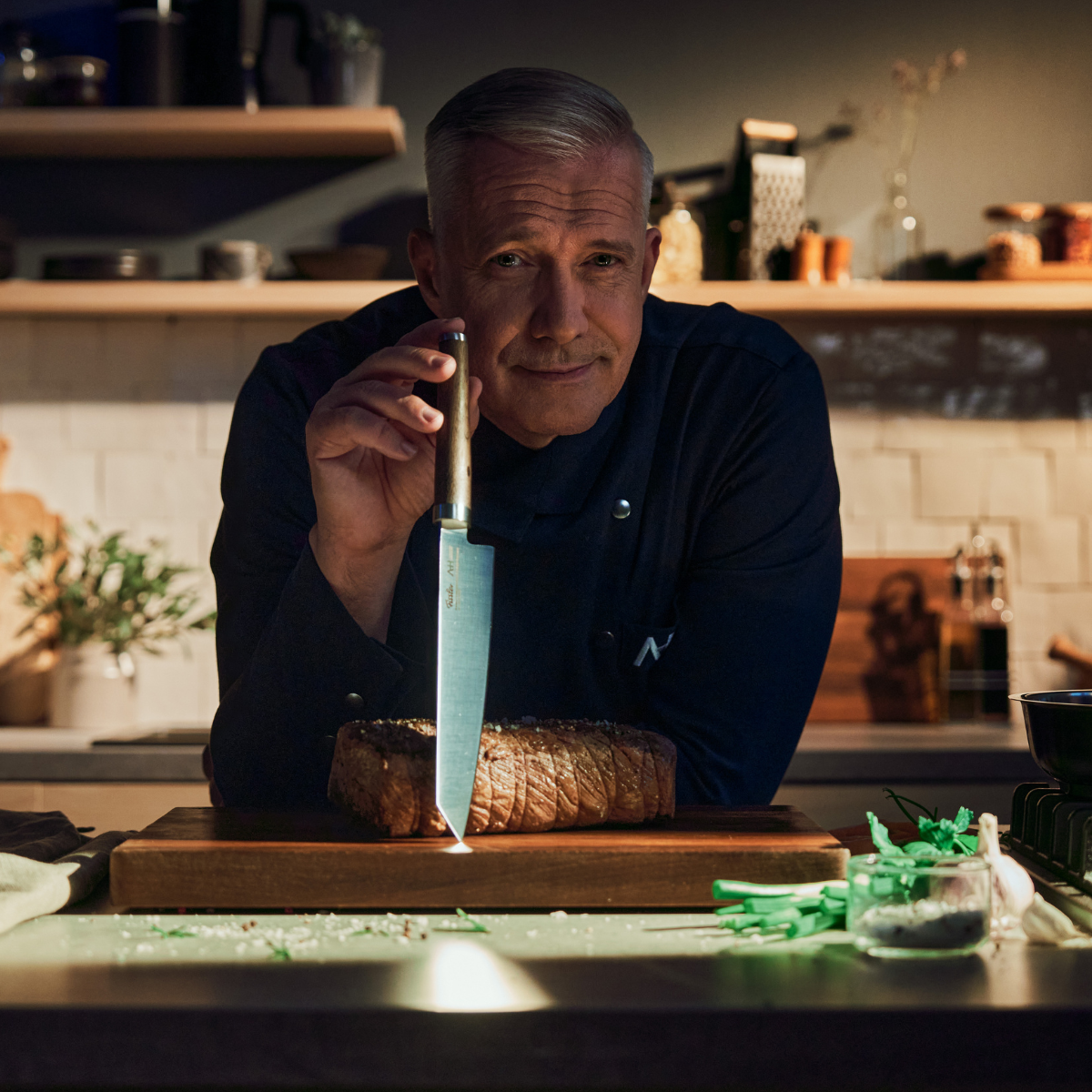
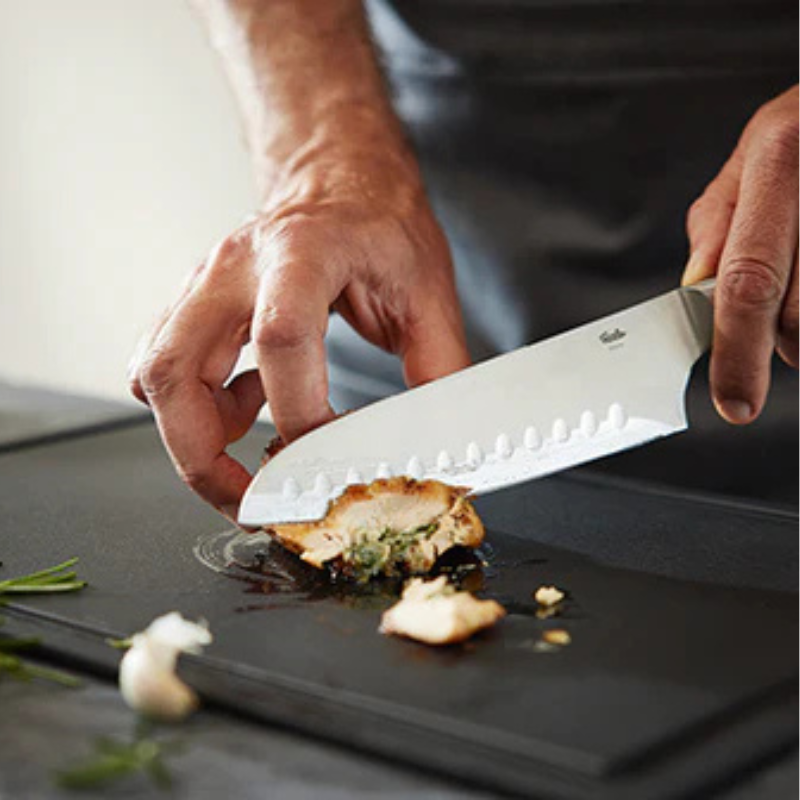
Scoring is much more than a preparation step – it directly affects how the chestnut cooks. Using a sharp knife, score the tough shell on the curved side with a cross or lengthwise cut. The cut cleanly slices through the hard outer shell and the seed coat beneath without damaging the flesh. 

  • Moisture control: Steam escapes through the cut rather than causing the chestnut to burst unpredictably
  • Even heat transfer: Heat penetrates evenly into the heart of the starchy center
  • A clean finish: The shell and seed coat come away almost effortlessly after cooking

Cooking Chestnuts: Gentle Heat for Juiciness and a Melt-in-Your-Mouth Texture

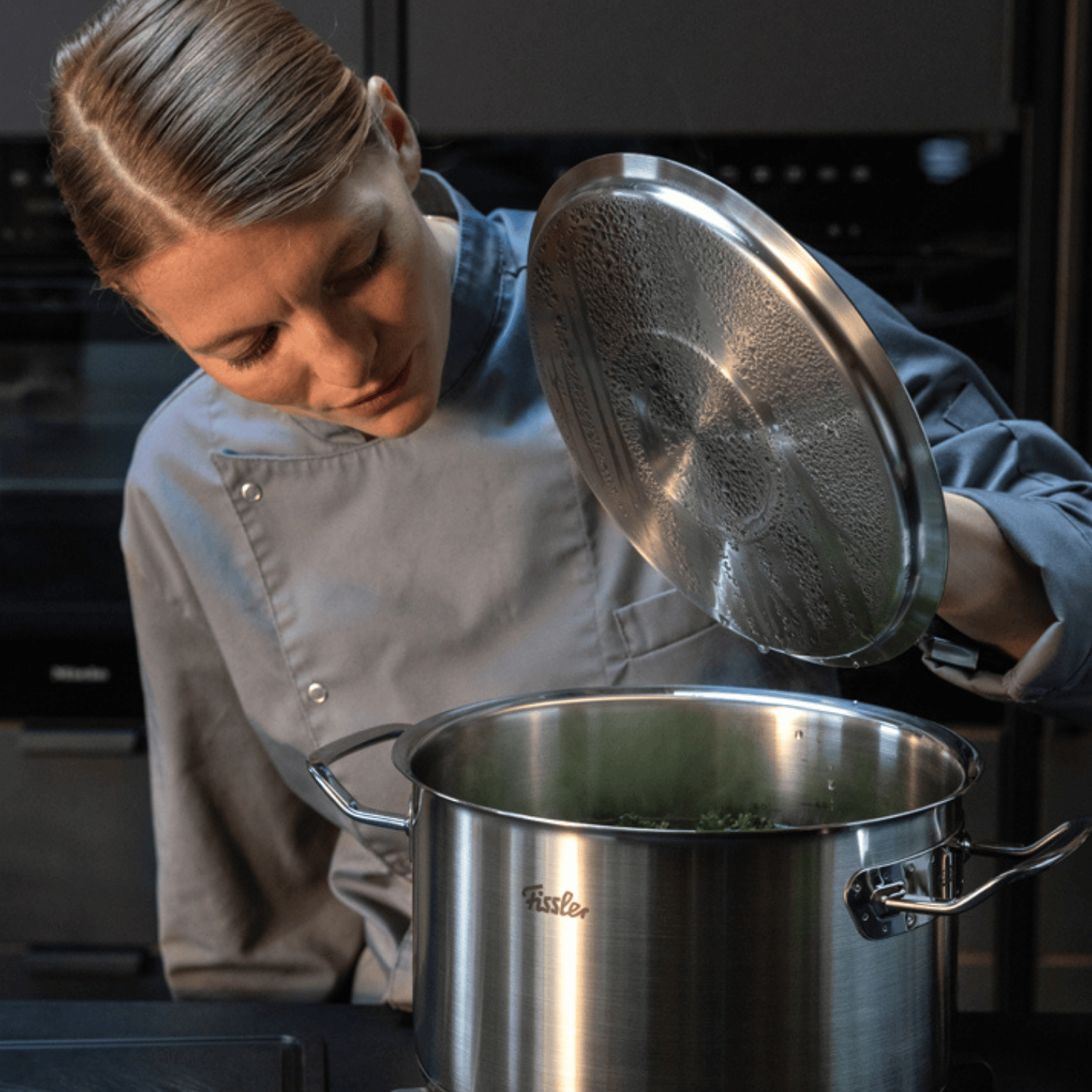
Boiling is not about developing roasted flavors, but achieving maximum tenderness. The prepared fruit is fully covered with cold water and cooked over gentle, even heat. A rolling boil would needlessly leach flavor from the delicate flesh.

How Long to Cook Chestnuts: The Perfect Doneness

Depending on their size, the fruits need about 20 to 30 minutes. Check with the tip of a knife: the blade should slide effortlessly into the center while the fruit holds its shape perfectly.

Texture
Cooking time
Texture
Cooking time
Whole side dish

Holds its shape, melts smoothly

20 - 25 minutes

Fillings

Soft and supple

25 - 30 minutes

Puree or soup

Exceptionally tender, with a velvety, melt-in-the-mouth texture

approx. 30 minutes

Sauce Reductions

Creamy and emulsifying

25 - 30 minutes

Cooking chestnuts without scoring them: Why precision pays off

Skipping the cut makes cooking unpredictable. The shell bursts open at random, the tough inner skin clings to the flesh, and peeling becomes a chore. A precise cut beforehand keeps the fruit looking its best and saves valuable time at the pass.

Roasting chestnuts: Concentrating flavor with dry heat

Roasting evaporates excess moisture, bringing out the starchy fruit's natural sweetness. The surface caramelizes lightly, while the inside retains its dense, velvety texture.

Roast in the oven

Spread the scored fruits on a baking tray and roast at 200 to 220 °C using top/bottom heat. An ovenproof dish filled with water inside the oven creates gentle steam that keeps the kernels from drying out. They are ready when the shells open wide along the cuts and a warm, nutty aroma fills the room.

Roast Chestnuts in a Pan

A heavy cast iron pan with excellent heat retention is ideal. Keep the fruit moving regularly over medium to high heat. A lid traps the rising steam, allowing the inside to cook in its own juices while the skin develops rustic, roasted notes. Just before serving, add a knob of cold butter, a few thyme leaves and a pinch of sea salt to beautifully complement the sweet, nutty flavors.

Aroma
Texture
Aroma
Texture
Cooking

Mild, delicate

Juicy and soft

Oven

Balanced, nutty, warm

Crispy on the outside, soft on the inside

pan

Bold roasted notes, smoky

Textured grip, intense core

Special Gardening Techniques for the Modern Kitchen

  • Steaming chestnuts: In a steamer basket, the chestnuts cook at 100 °C without direct contact with water. Their natural sweetness stays pure, with a well-defined texture (approx. 25–35 minutes).
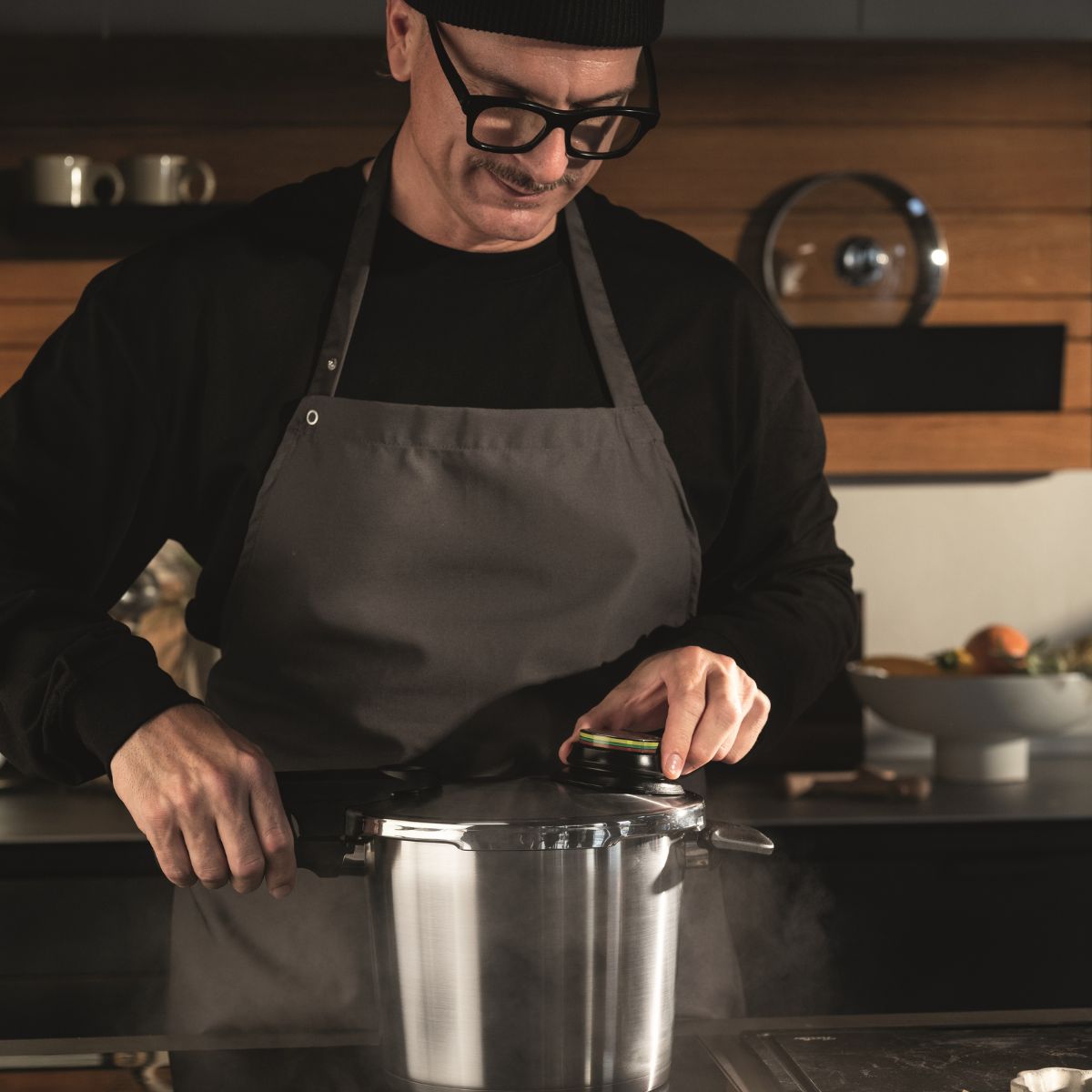
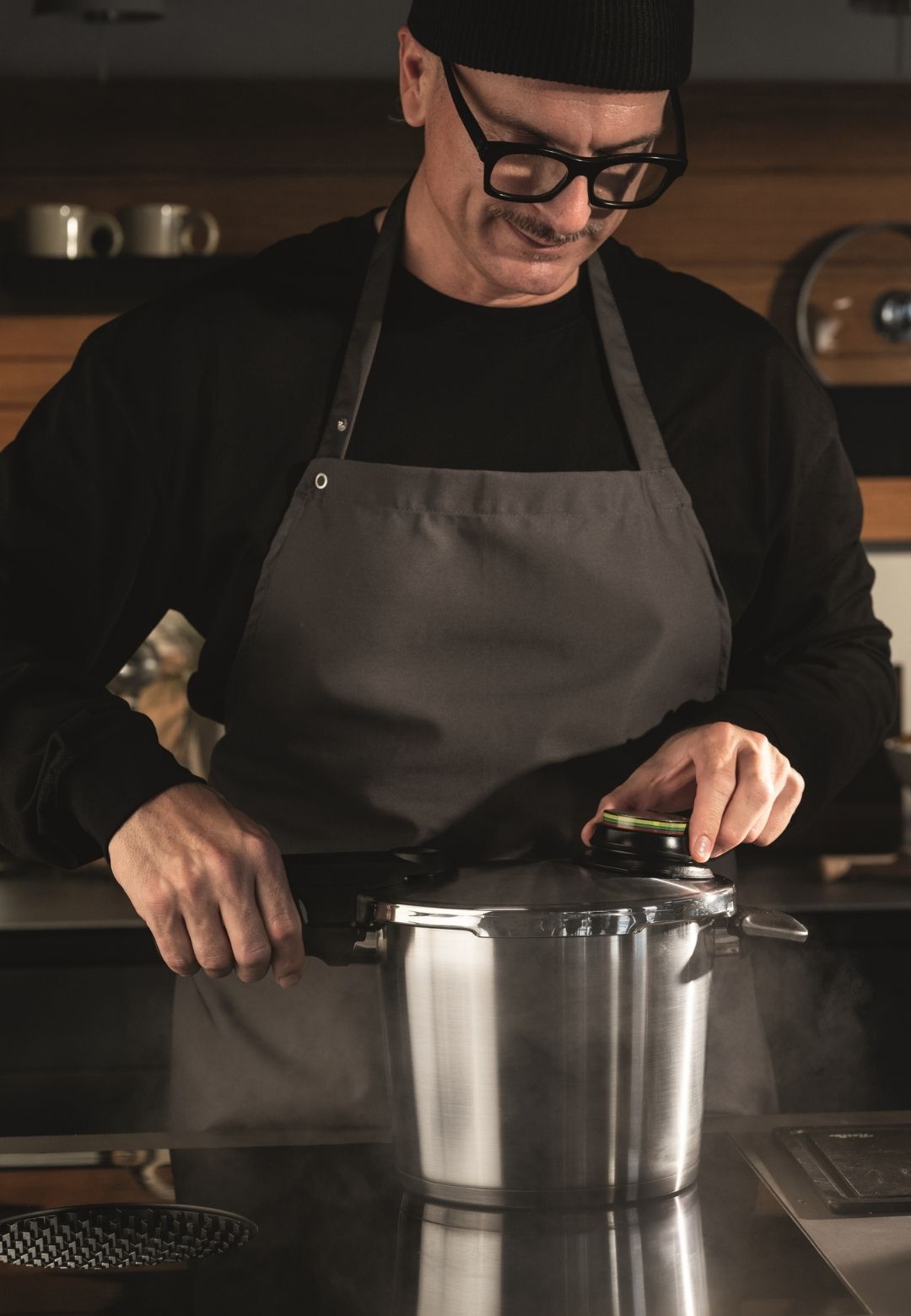
  • Pressure-cooking chestnuts: Under pressure, cooking time drops to 8 to 12 minutes – an efficient starting point for velvety soup reductions and rich purées. You can also steam chestnuts in a pressure cooker.
  • Sous-vide chestnuts: Vacuum-seal peeled chestnuts with cold brown butter, a little thyme and a pinch of sea salt, then cook at 85 °C for 60 to 90 minutes. The result is evenly infused flavour throughout, without moisture loss.

Peeling chestnuts: Playing with heat

When peeling, follow one simple kitchen rule: always work with chestnuts while they are warm. The shells and inner skins come off easily just after cooking. As the starch structure cools, the inner skin clings tightly to the flesh again. 

  • Workflow: Take only small batches off the heat at a time and keep the rest covered and warm 
  • Technique: Peel the shell and inner skin straight off the hot chestnut in one smooth motion wherever possible 
  • Refresher: If the inner skin still sticks, a few seconds in boiling water or steam will soften it again

Chestnut Storage & Shelf Life

Unlike other tree nuts, chestnuts have a high natural moisture content, making them sensitive to improper storage. To keep them fresh, store them in a cool, dark place with some airflow.

Recommended storage
Shelf life
Recommended storage
Shelf life
Fresh fruit

Refrigerator (perforated bag)

approx. 1 - 2 weeks

Cooked chestnuts

Refrigerator (in an airtight container)

2 - 3 days

Roasted chestnuts

Refrigerator (in an airtight container)

2 - 3 days

Freeze chestnuts

Freezer ( - 18 °C )

6 - 9 months

Freezing Chestnuts: Preserve Your Harvest for Future Meals

To freeze chestnuts, cook and fully peel them first. Store them in the freezer, vacuum-sealed or divided into portions. That way, they’re ready to use in sauce reductions, purées or autumn side dishes without any advance preparation.

Storing Chestnuts: A Look at Their Texture

Even when stocking up, it pays to check the texture: Is the kernel still brittle, the flesh dry, or the seed coat not fully removed? If cooking and peeling don't go quite to plan, a little warmth and a gentle touch can often help. 

From brittle kernels to a melt-in-the-mouth texture: What the texture tells you and what to do next:

Cause
Solution
Cause
Solution
Core remains brittle

Cooking time too short

Finish cooking gently in a little stock or butter

Dry pulp

Cooking chamber too dry / heat too high

Lower the temperature, add moisture

Seed coat sticks

The fruit has cooled down

Briefly reheat in boiling water or steam

Texture floury-dry

The raw material was dehydrated

Check the item's weight before purchasing

Cooking Tips

More inspiration and tips from the professional kitchen

Master your stovetop and discover the versatility of uncoated stainless steel. We share our best kitchen secrets, product insights, and inspiration to help you hone your cooking skills.

ABOUT US

Fissler. Made for your moments.

For some, cooking is a routine. For others, it is a passion. For them, it is more than preparing meals – it is a way to express themselves, pursue excellence and find joy.

Our mission is to inspire and support you in every one of these moments, whether you’re making a quick after-work meal, getting creative or reaching that defining moment when everything comes together: heat, timing and skill.

Since 1845, we at Fissler have been crafting cookware Made in Germany that makes these moments possible. Professional tools that build confidence in your abilities, make room for culinary creativity and support ambitious cooks.

Discover Fissler