
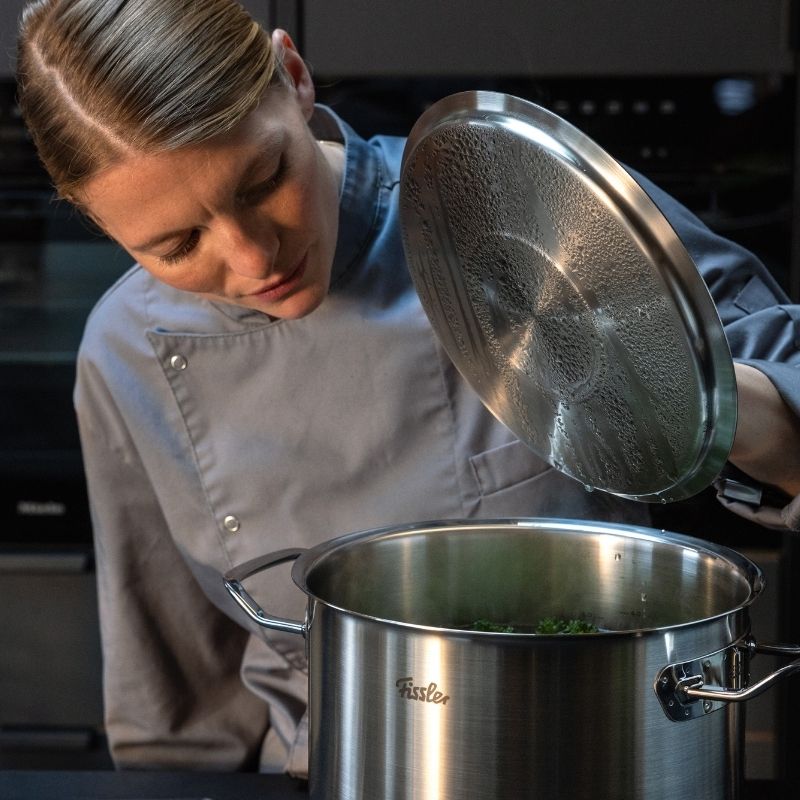
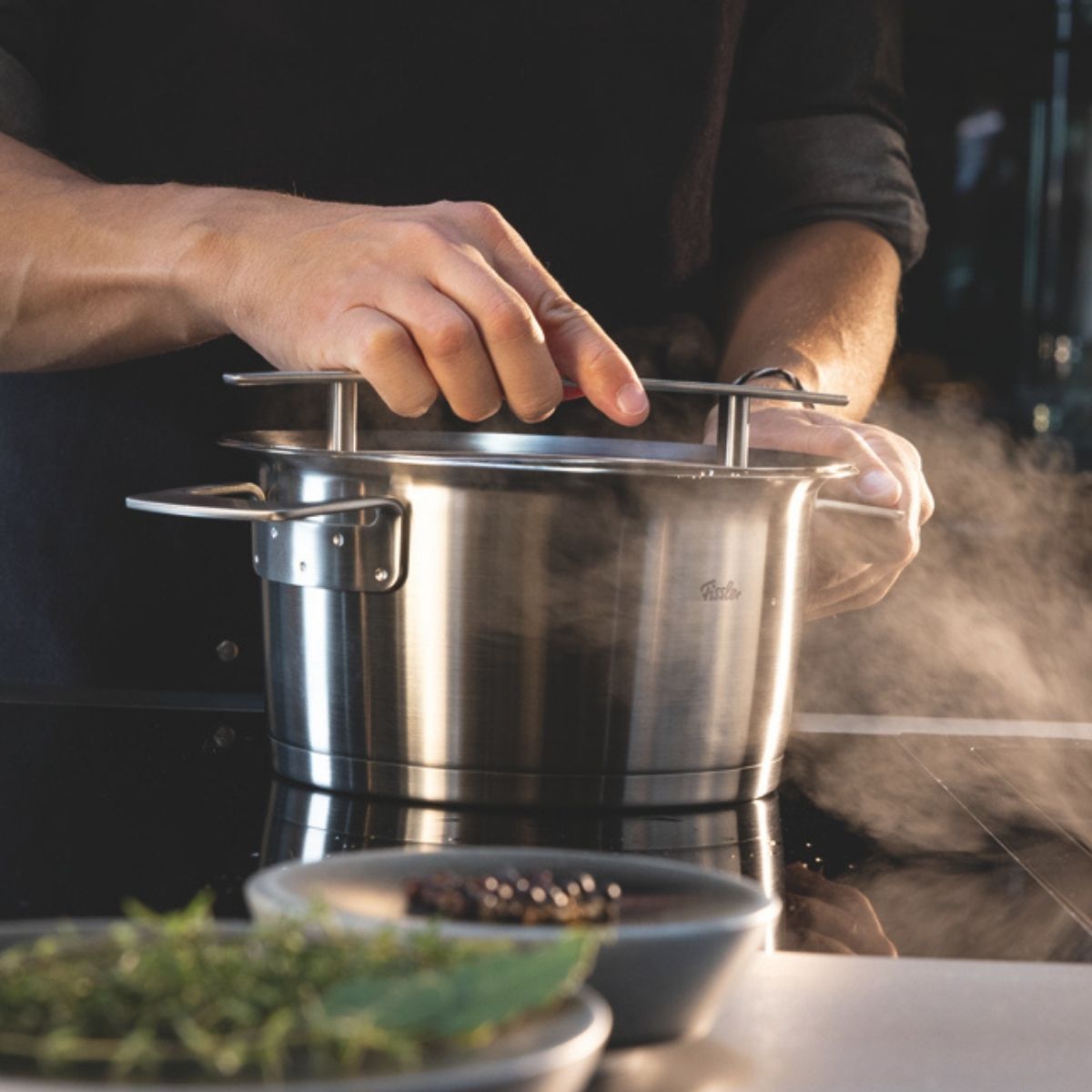
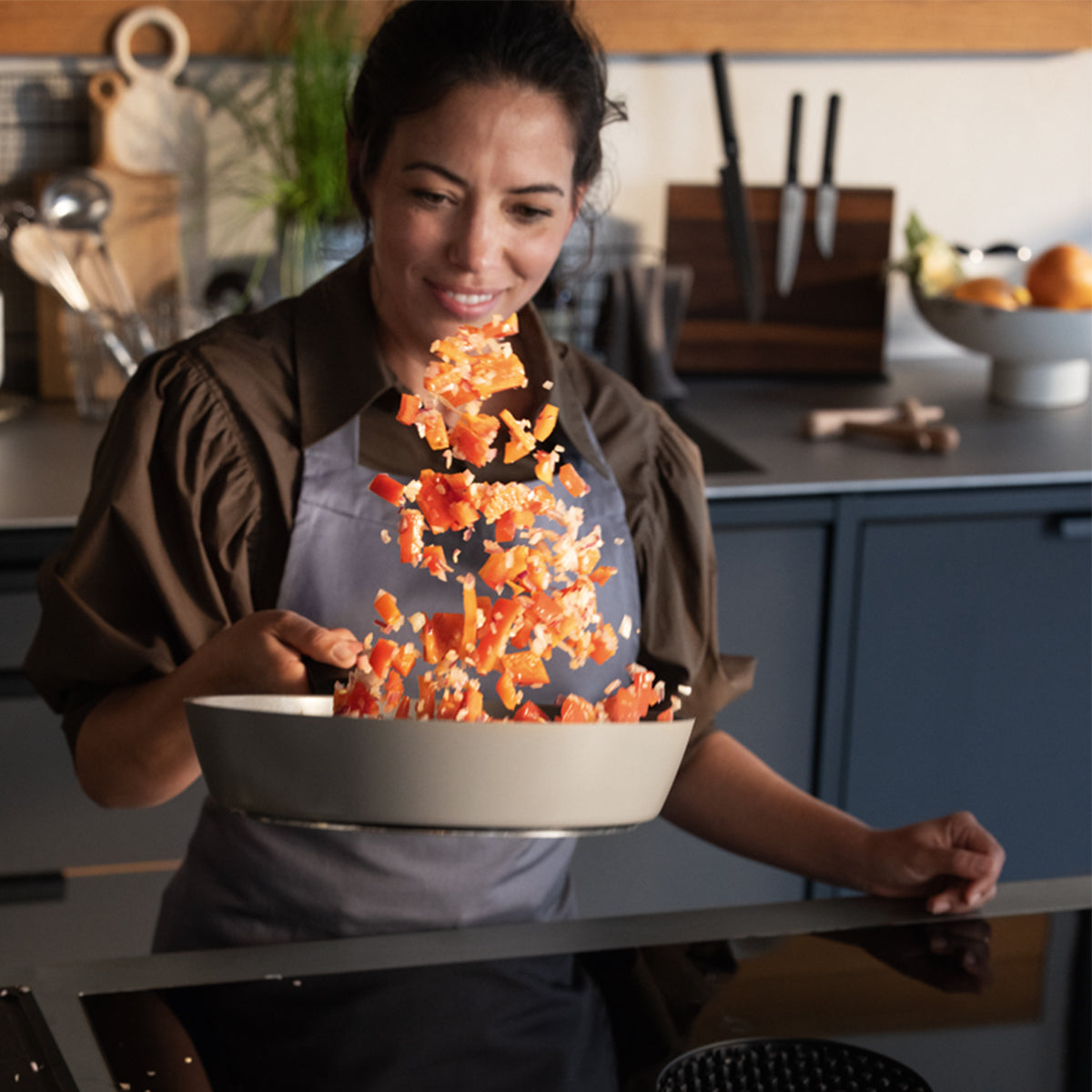
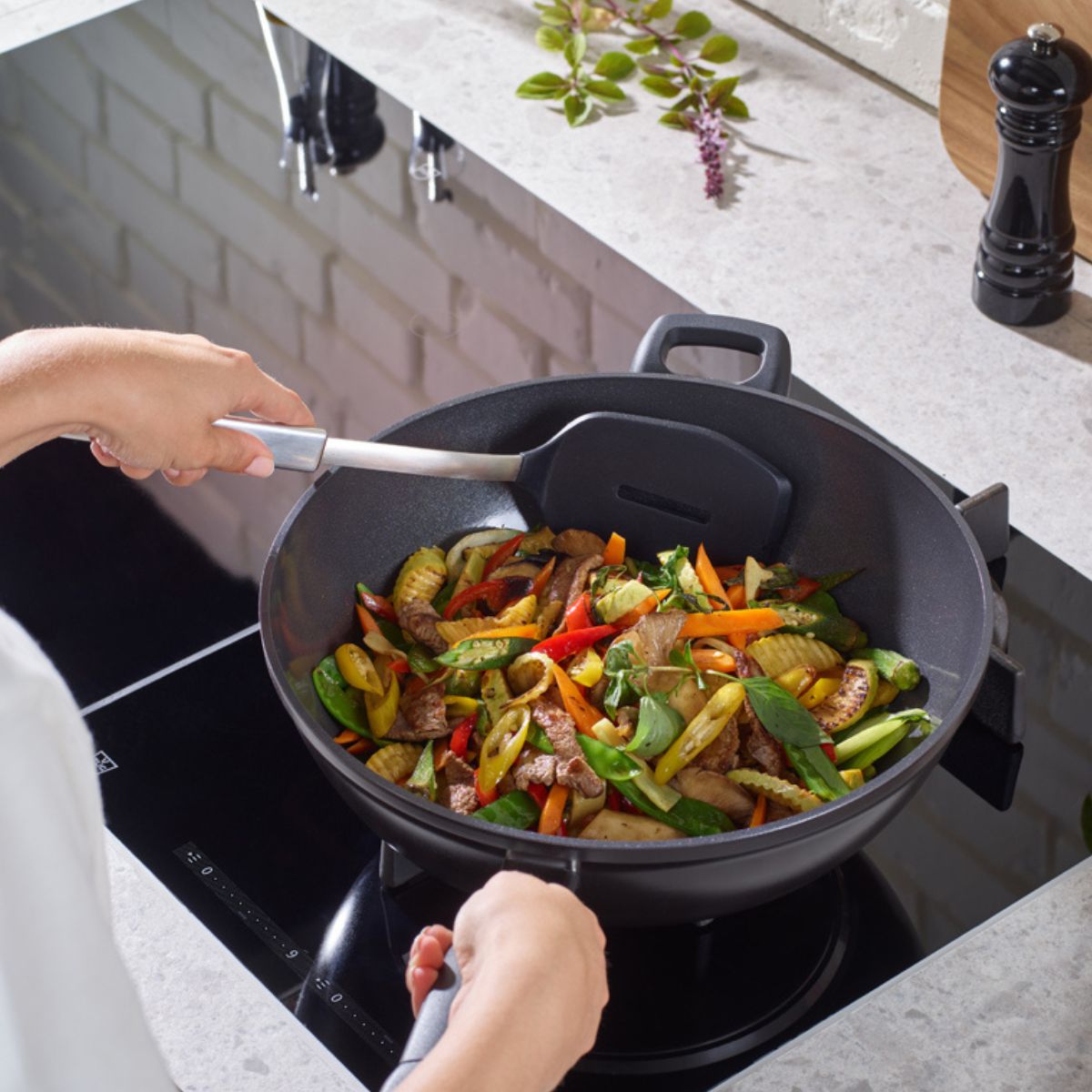
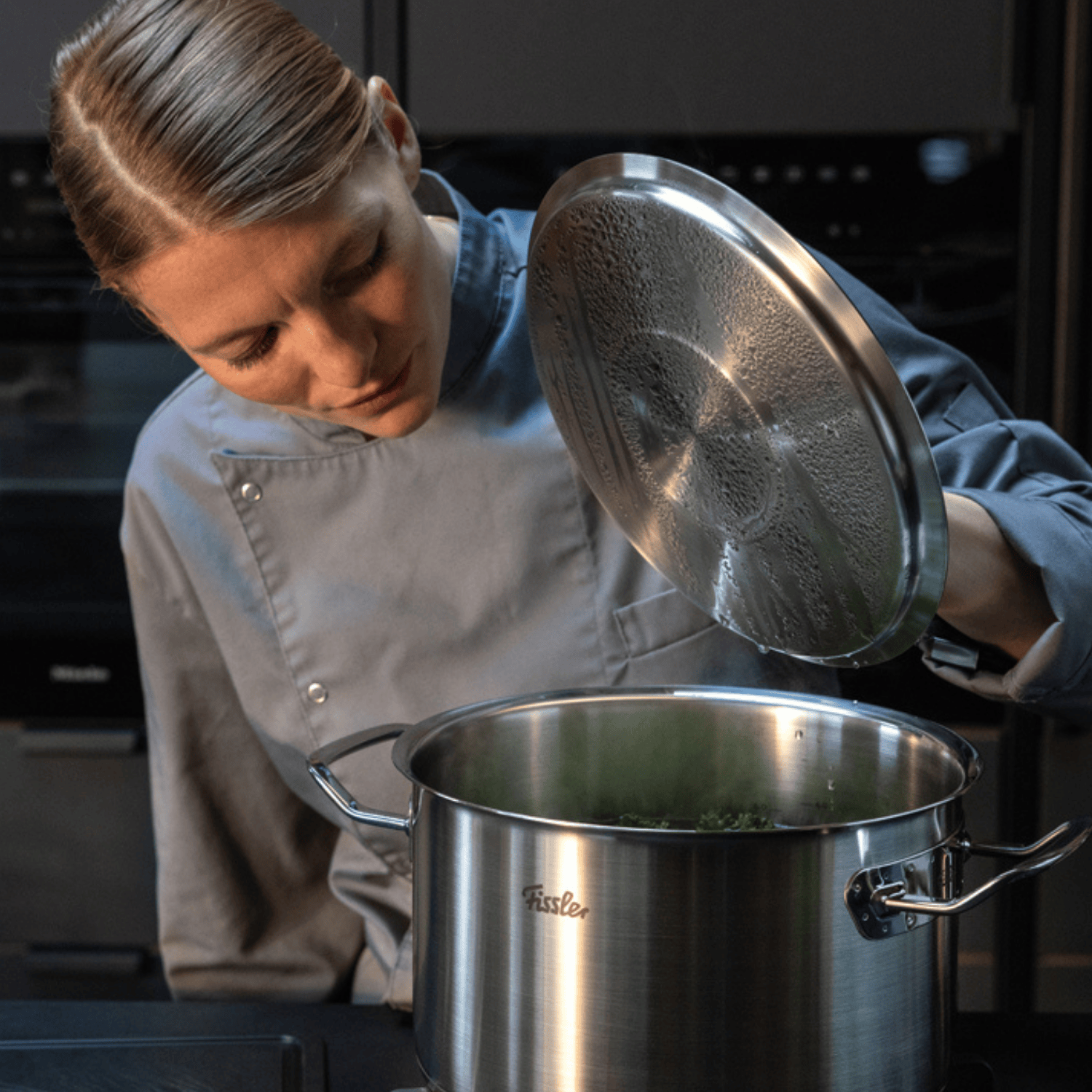
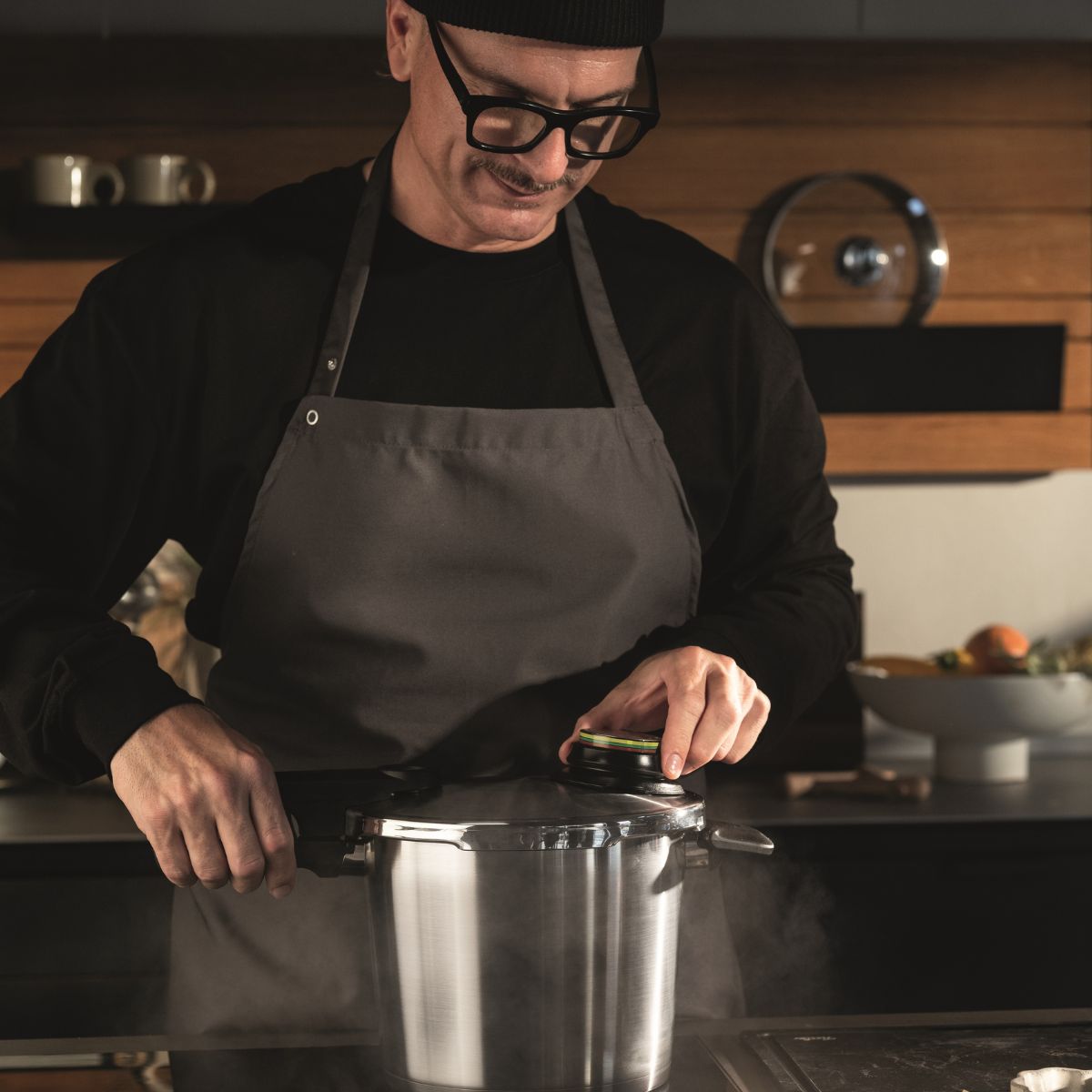
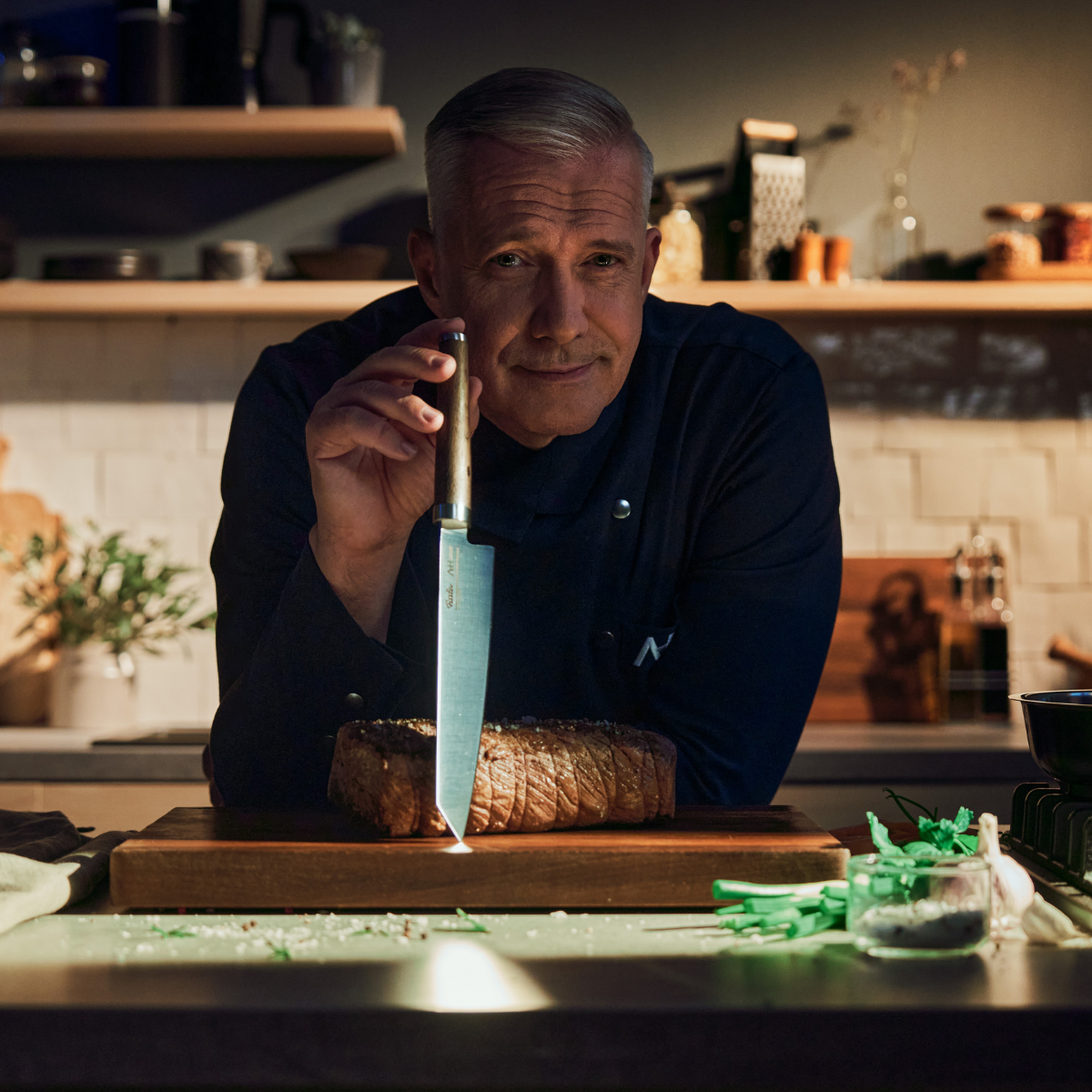
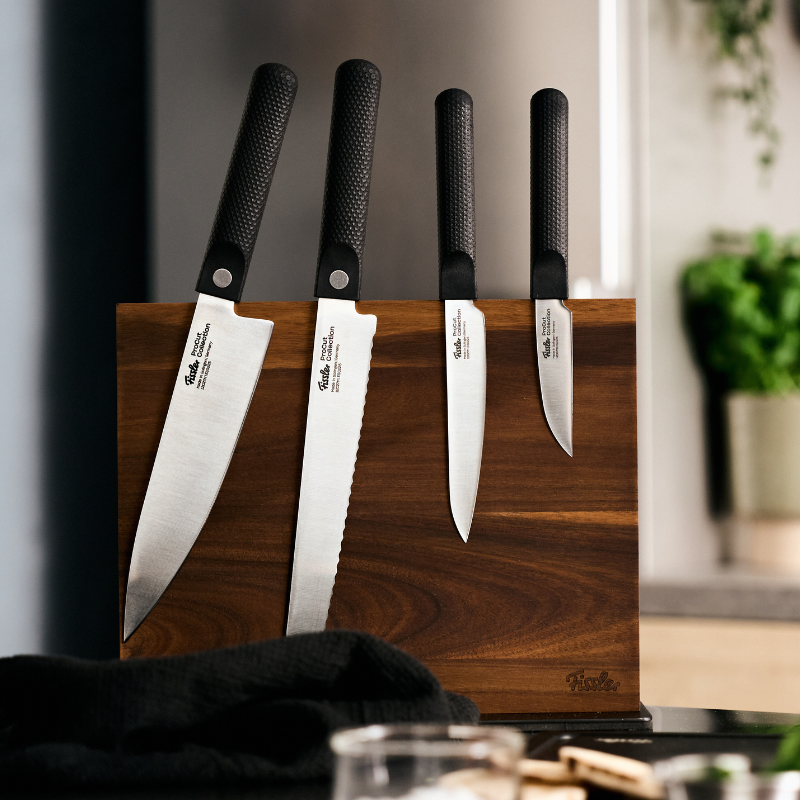



In 1845, the young tinsmith Carl Philipp Fissler laid the foundation for what Fissler is today with a small workshop in Idar-Oberstein. What began back then still defines the brand today: a close connection to craftsmanship, a commitment to quality, and the ambition to inspire home cooks around the world with premium cookware. Every curve, every edge, and every surface reflects our experience and passion.
Fissler is deeply rooted in Rhineland-Palatinate – and even after more than 180 years, it remains a family business in its sixth generation. Over the decades, knowledge has been passed down: from developing our own tools to precise, skilled assembly. The fact that many of our colleagues have been with Fissler for 20, 30, or even more than 40 years enables us to deepen our expertise across generations.
This continuity builds trust. It allows us to think long term and develop products that inspire. Our tradition is the foundation of our high quality standards – and the reason every Fissler product is more than just an everyday item: it is a tool for your culinary journey.
Cooking is routine for some. For others, it's a passion.
For them, it's more than just preparing meals – it's an expression, a challenge, and a joy all at once.
Fissler is for those who see cooking not as a necessary chore, but as an opportunity to express their skills and creativity. Passionate cooks for whom every moment counts: the energy and precision of chopping and slicing, the fluid movements of stirring, the joy as the flavors slowly unfold. And finally, the moment of triumph and satisfaction when yet another dish has turned out perfectly.
Our mission is to inspire and accompany each of these moments, whether it's a quick after-work meal, a creative phase, or the big moment when everything comes together: heat, timing, and skill.
Since 1845, we at Fissler have been producing cookware Made in Germany that makes these moments possible. Professional tools that strengthen confidence in one's own abilities, create space for culinary creativity, and support ambitious cooks.

Yes, Chef!


Our tradition
From generation to generation.
The people behind Fissler.
Our passion for cooking doesn't end at the workplace. It begins there. Our employees share what connects them to Fissler: childhood memories, shared moments, and genuine enjoyment. They explain how cooking became more than just routine for them and how Fissler shaped their perspective on it.

"As a 'Fissler child', the importance of high-quality cookware and the associated view on cooking were practically instilled in me from birth. Nothing has changed in that regard to this day."
Carina
Head of HR Operations & Payroll

"My most beautiful 'Fissler moment' so far was my first roulades in the pressure cooker: The first piece of meat in my mouth - wonderfully tender and with an intense flavor."
Andreas
Director Global Human Resources

"The best thing about being part of Fissler is working with a brand that not only combines innovation and quality, but also makes cooking a truly special experience."
Katharina
Global Social Media Manager

Craftsmanship Made in Germany


Our production
Made in Germany. Since 1845.
Excellent cookware is created where precision, experience, and craftsmanship come together. That is why Fissler cookware is made in Germany, in the heart of Rhineland-Palatinate. Since 1845, we have been developing and manufacturing premium cookware here to the highest quality standards.
In addition to our own production facilities, we also have our own product development, laboratories, and quality assurance in Germany. This allows us to ensure that every product bearing the “Fissler Quality” seal meets the highest standards.
We can control every step ourselves: carefully selecting materials, continuously improving processes, and integrating innovative technologies directly into manufacturing.
Our collections
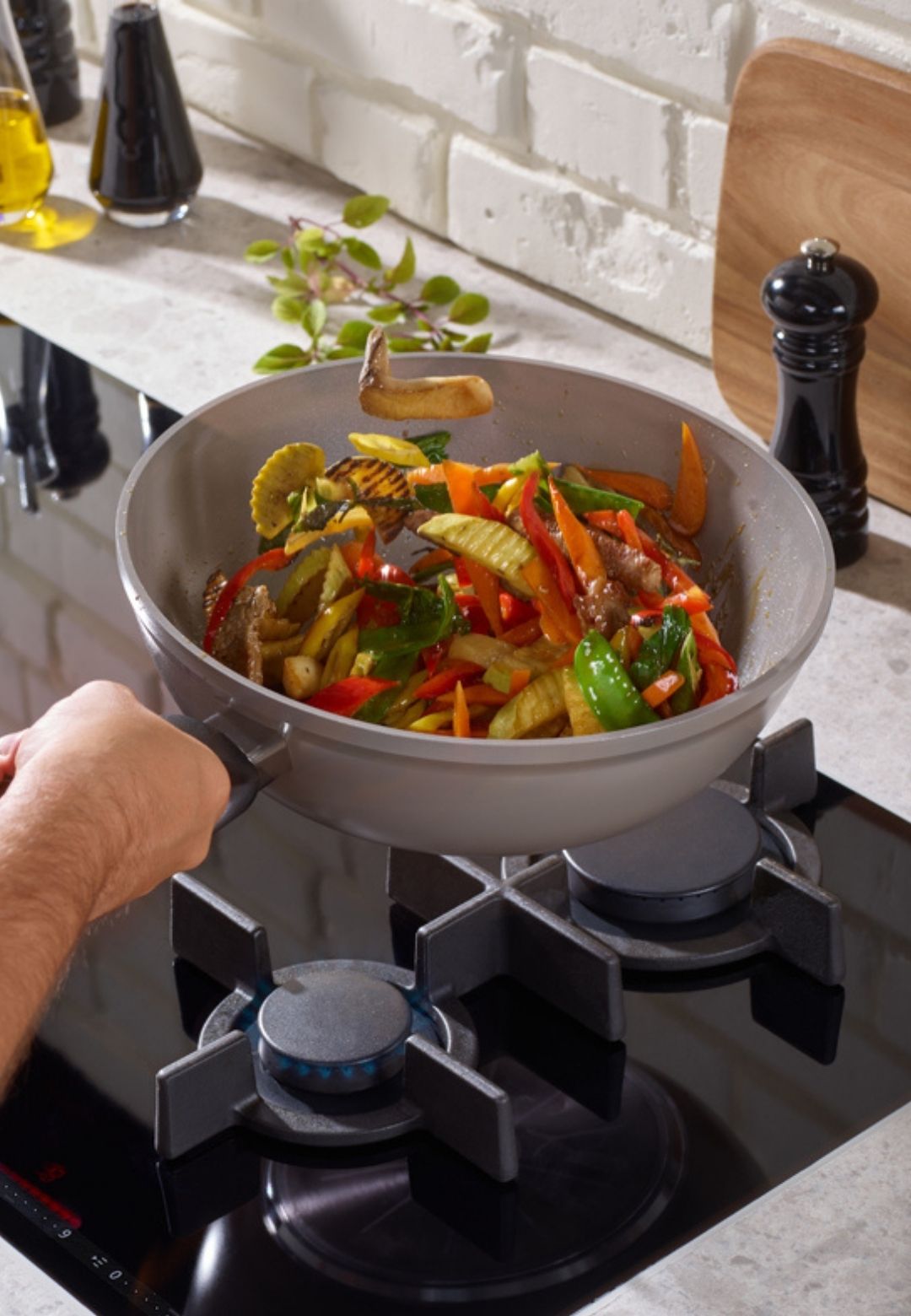
Ceratal® Collection
The ceramic alternative.
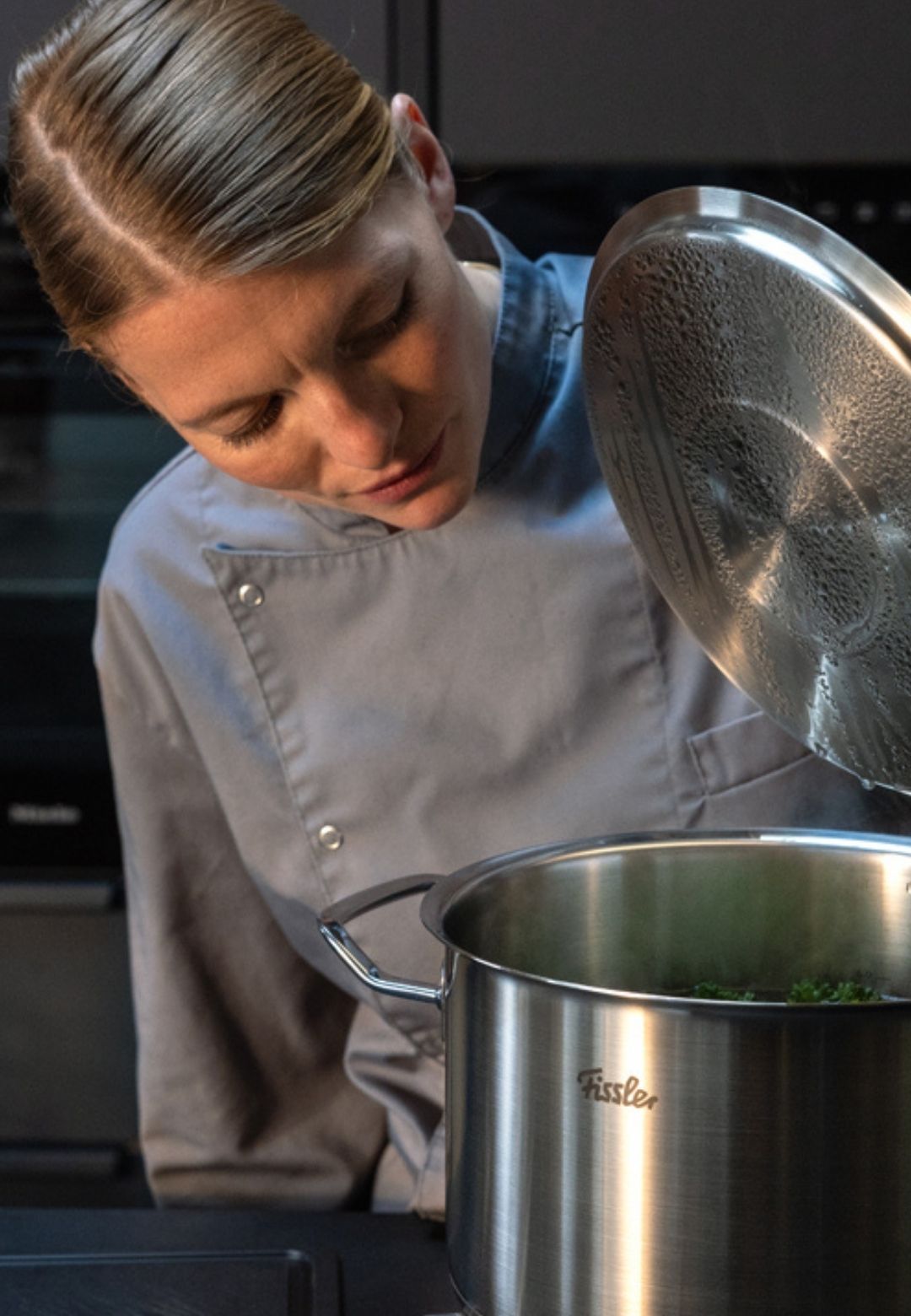
Original-Profi Collection® Stainless Steel
The best decision for your cooking.
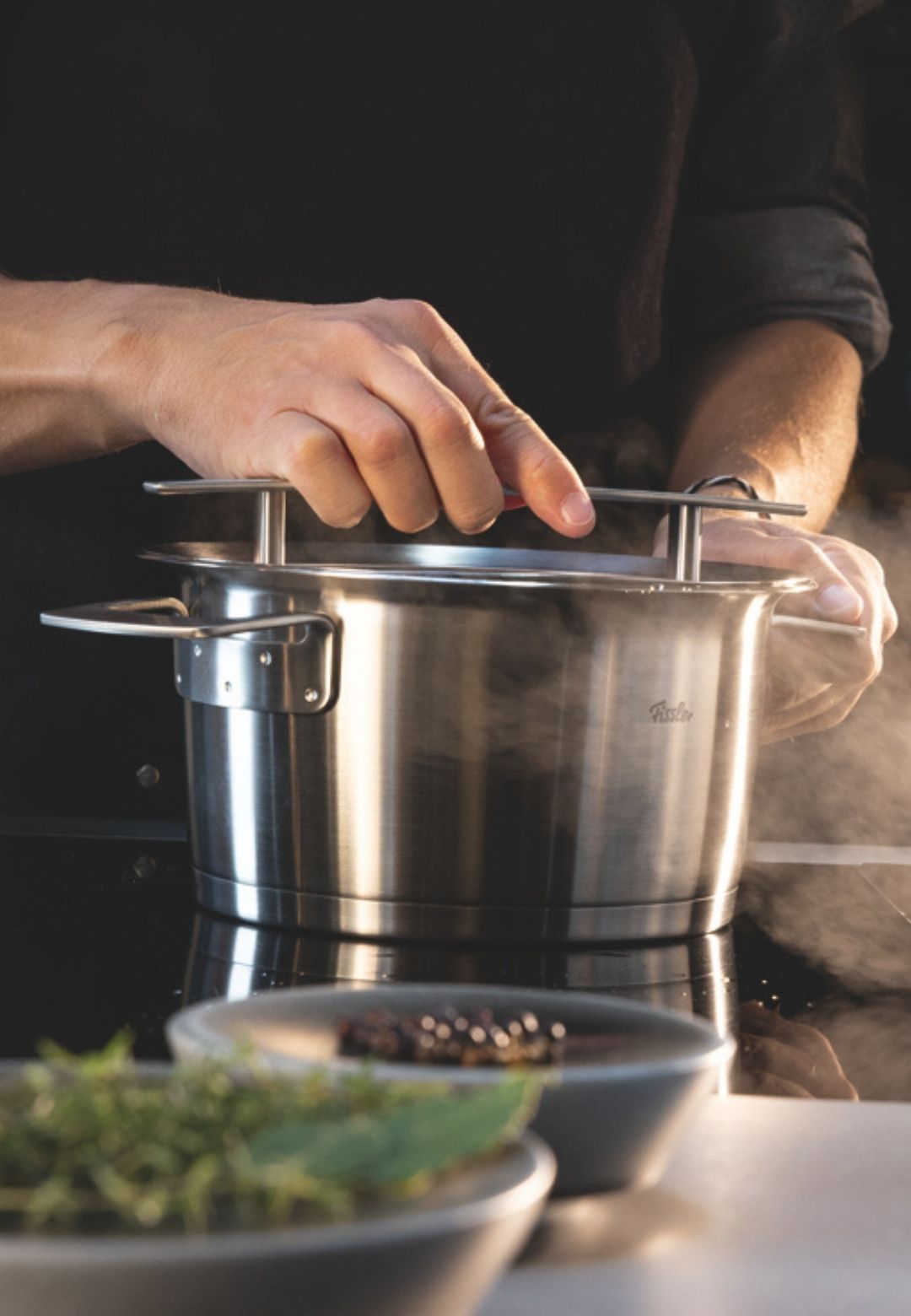
Phi Collection®
Design that works for you.
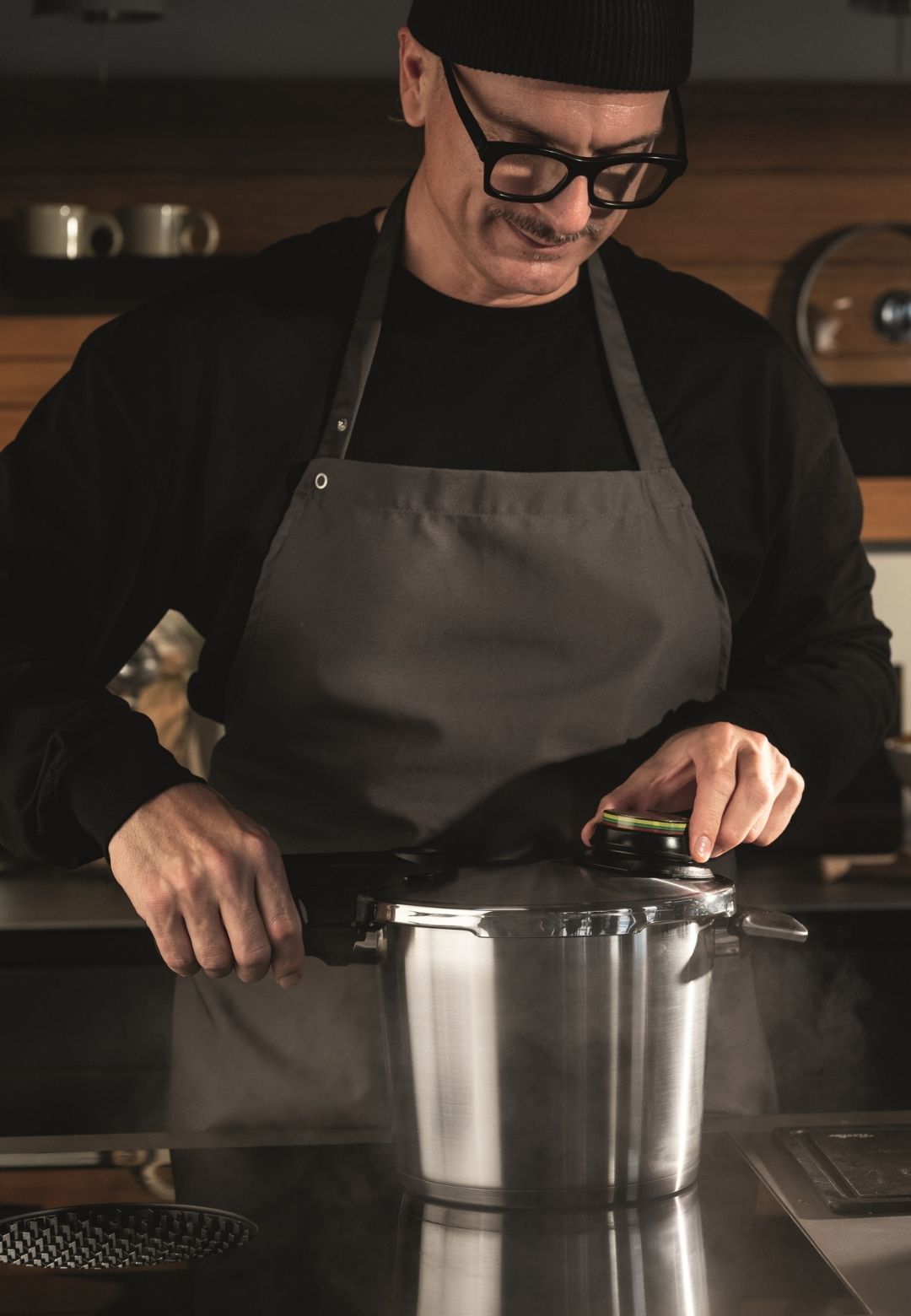
Vitavit® Premium
Cooks like you: fast, healthy, flavorful.
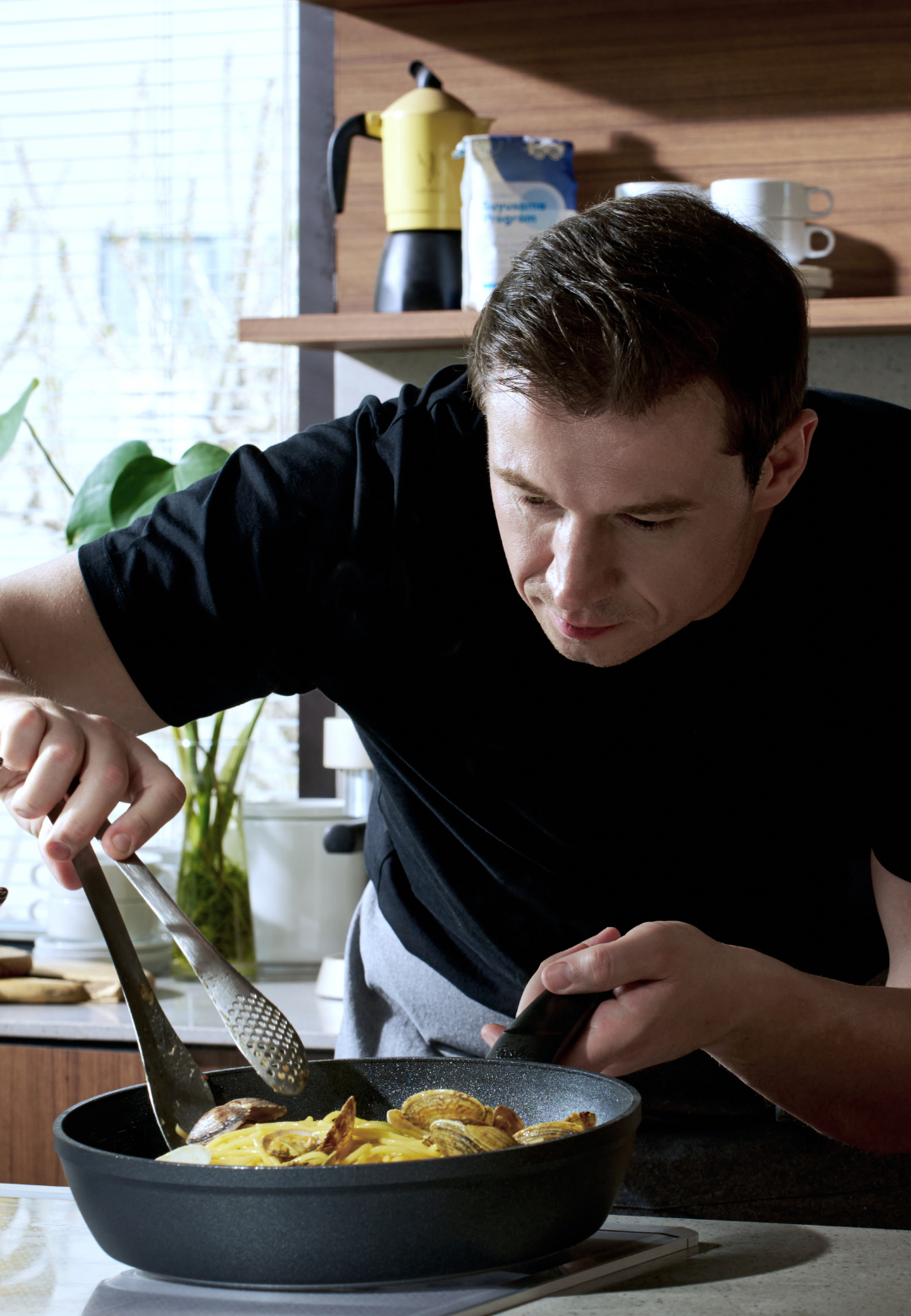
Adamant® Collection
Less sticking. More resilience.
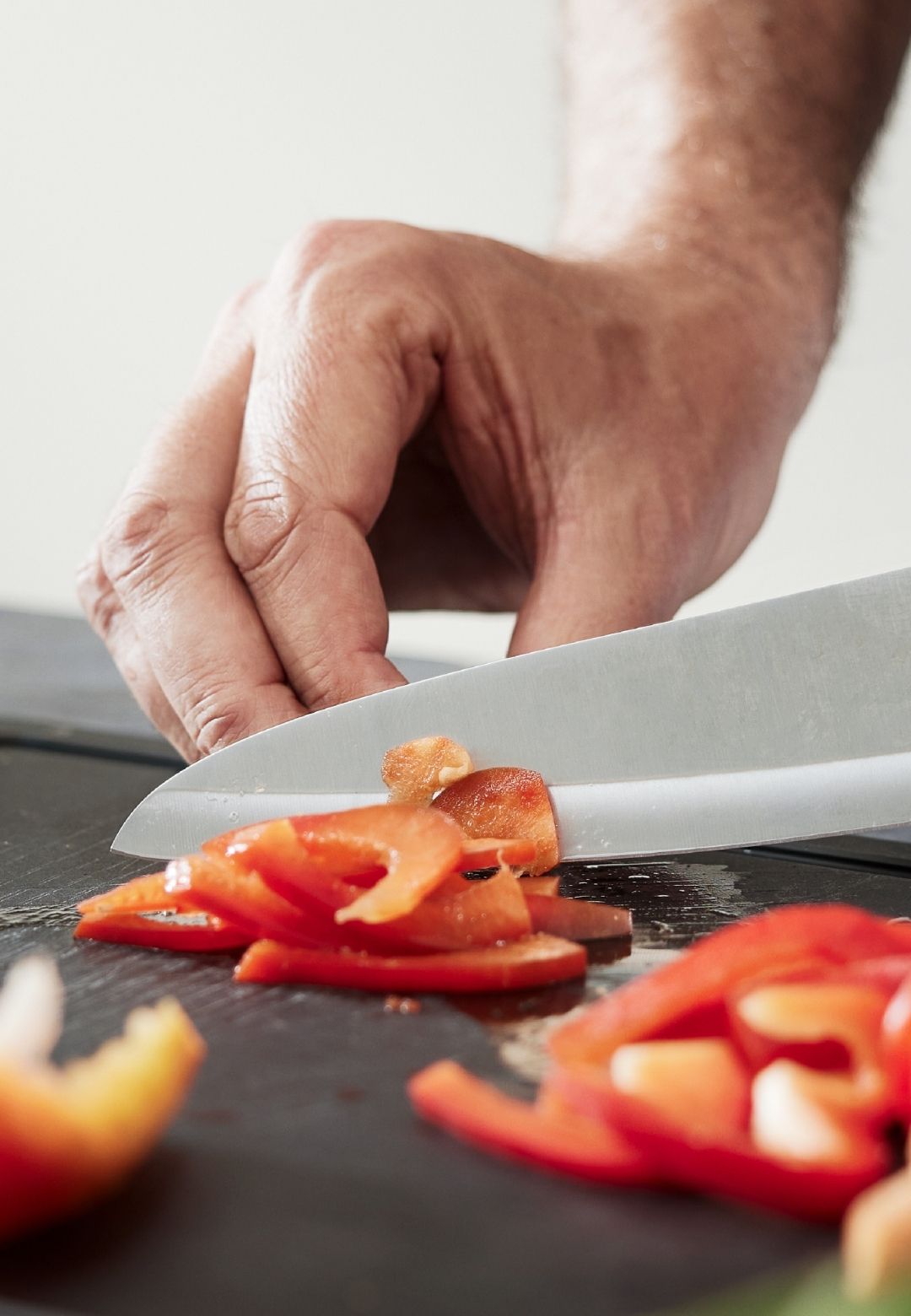
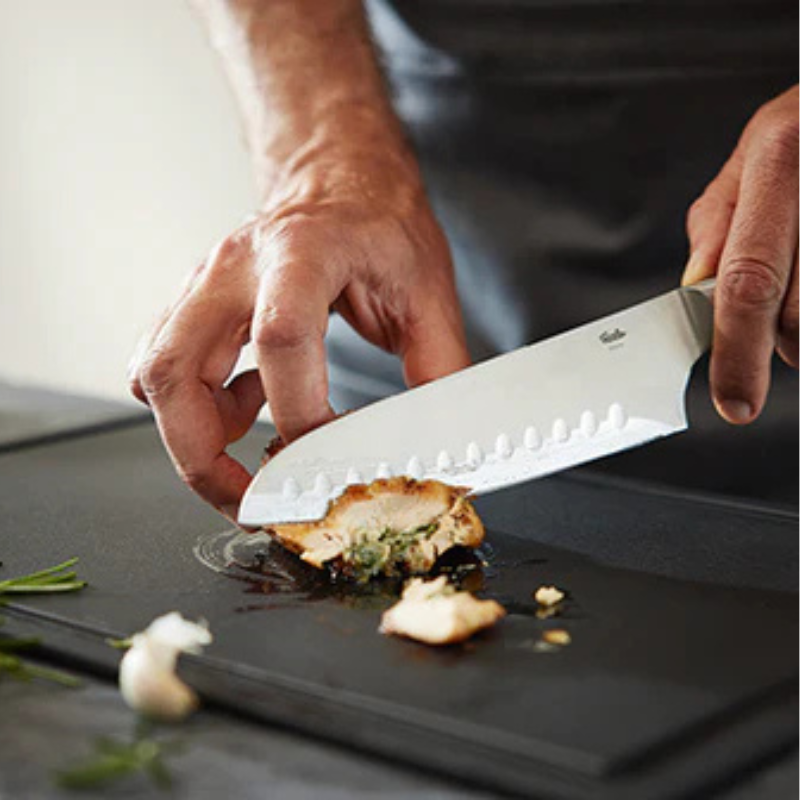
Fissler Essential® knives
Your everyday knives.
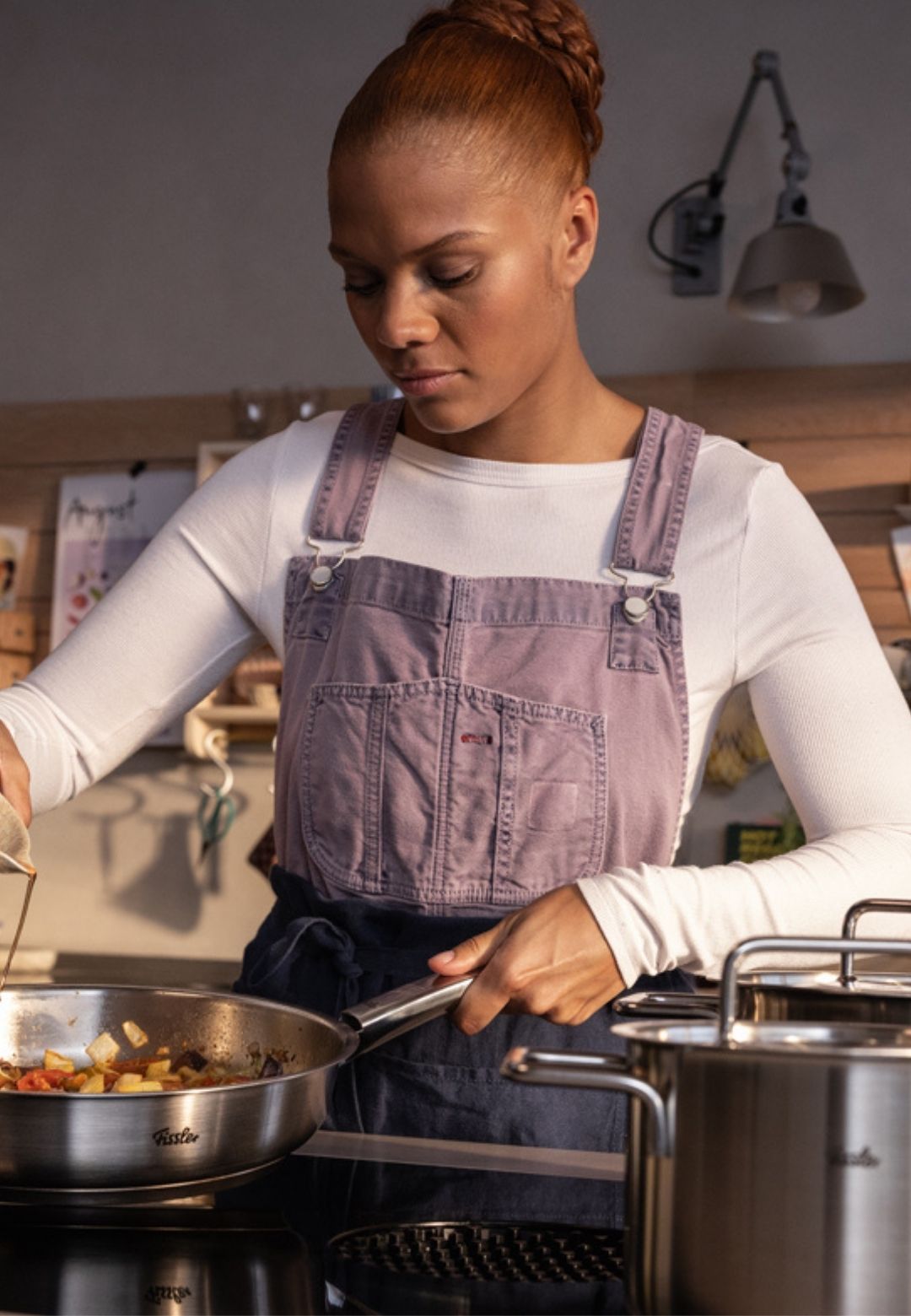
Fissler Pure Collection®
On your path to pure skill.
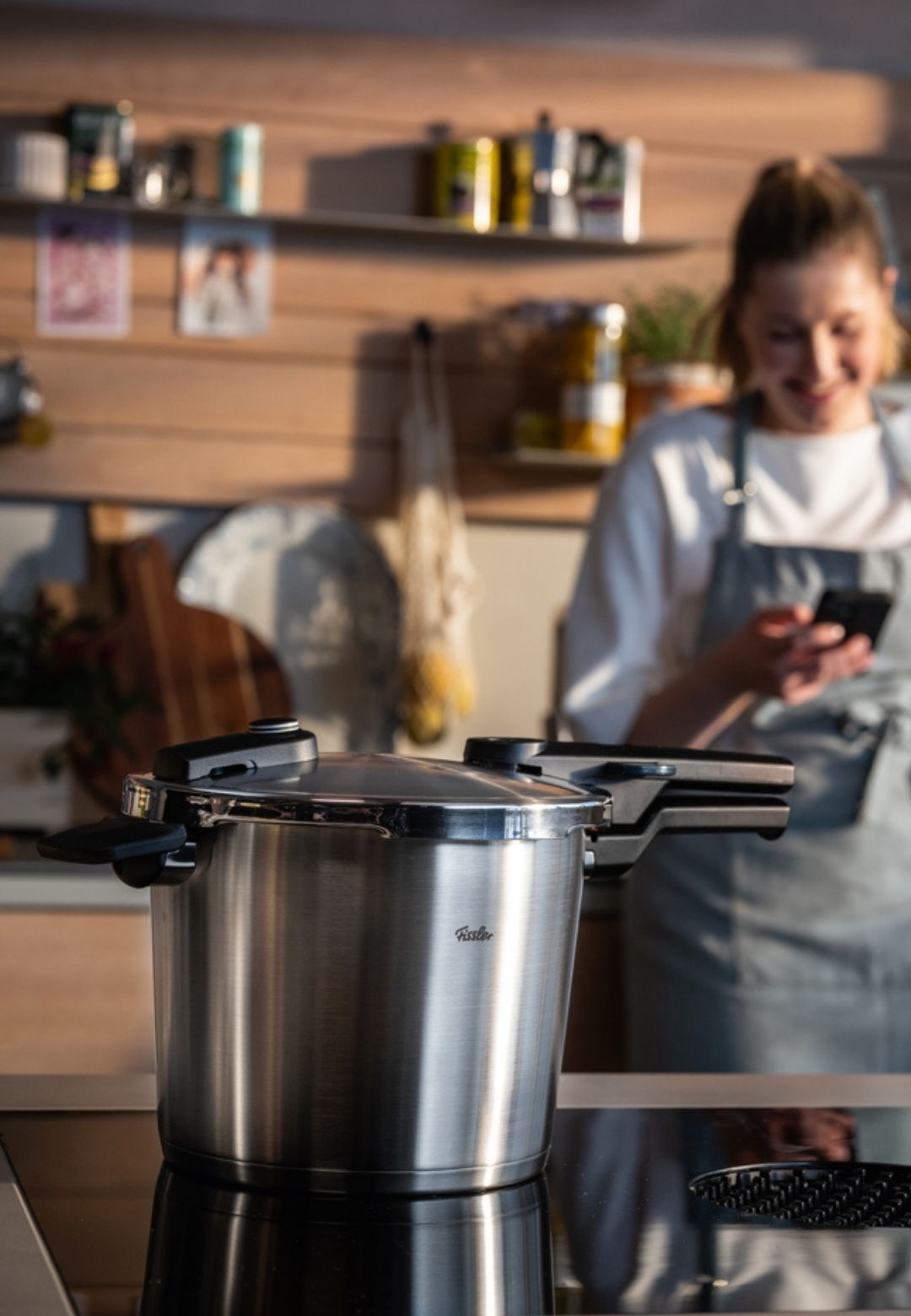
Vitaquick® Premium
Cook smarter, not harder.